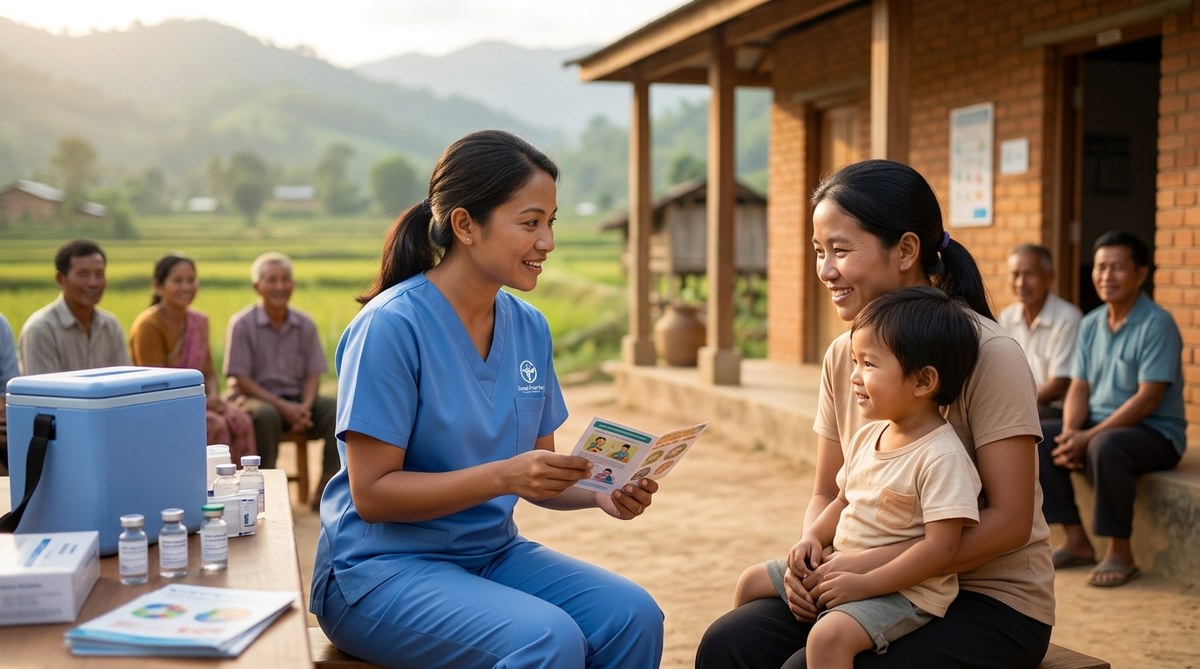
How to Overcome Vaccine Hesitancy in Rural Communities to Boost Immunization Rates in 2026
Rural communities across the United States face a unique challenge when it comes to immunization. Distance to clinics, limited access to healthcare providers, and a deep sense of self reliance can make vaccine hesitancy in rural communities tougher to address than in urban areas. But the good news is that real solutions exist. Public health professionals, rural healthcare providers, and community advocates are already using practical, trust centered approaches that work. This guide walks you through the most effective strategies for 2026, drawing on lessons learned from recent public health campaigns and on the ground experience in small towns and farming communities.
Vaccine hesitancy in rural communities stems from historical mistrust, limited access, and strong cultural identity. Effective strategies rely on local champions, transparent communication, and mobile clinics. Partnerships with churches, schools, and farm bureaus build credibility. When providers listen first and educate second, immunization rates rise. This 2026 playbook offers actionable steps for public health teams working in underserved rural areas.
Why Rural Vaccine Hesitancy Is Different
Rural America is not a monolith, but certain patterns show up again and again. People in these areas often have less exposure to public health messaging. They also tend to rely on a small circle of trusted voices, like a local pastor, a longtime pharmacist, or a neighbor who works at the feed store. When those voices express doubt about vaccines, the effect can ripple through the entire community.
Another layer is access. If the nearest clinic is 45 minutes away and only open during work hours, getting a shot becomes a real logistical hurdle. Combine that with a cultural preference for handling things on your own, and you start to see why standard public health campaigns often fall flat.
Research from 2025 and early 2026 shows that rural residents are more likely to cite concerns about vaccine side effects, government overreach, and lack of information than their urban counterparts. These concerns are not irrational. They come from lived experience and, in some cases, a history of broken trust.
A Practical Framework for Building Vaccine Confidence
Instead of pushing information at people, the most successful programs pull people in through relationships. Here is a step by step process that has worked across multiple states in 2026.
- Identify and recruit local champions. Look for people who already hold influence in the community. This could be a school principal, a 4H leader, a volunteer firefighter, or a grandmother who runs the church potluck. Train them on vaccine facts and equip them with simple talking points. Pay them a small stipend if possible.
- Host listening sessions before any education. Set up a table at the county fair or the local diner. Ask people what they have heard, what worries them, and what would make them feel better about vaccinating their family. Do not jump in with corrections. Just listen and take notes.
- Co design the response with community input. Use what you heard in step two to shape your messaging, clinic hours, and outreach methods. If people say they want to talk to a nurse they already know, make that happen. If they say Saturday mornings work best, adjust your schedule.
- Deliver services in familiar places. Hold vaccine clinics at the high school gym, the church fellowship hall, or the community center. Pair them with other services like blood pressure checks, school sports physicals, or even a free chili supper.
- Follow up and stay visible. After the clinic, send a handwritten thank you note. Show up at the next town hall. Keep the conversation going. Trust is built over time, not in a single visit.
What Works and What Hurts
Not every outreach tactic is effective. Some approaches backfire, especially when they feel condescending or rushed. This table breaks down techniques that build trust versus common mistakes that undermine it.
| Builds Trust | Undermines Trust |
|---|---|
| Listening first, then sharing facts | Leading with statistics and jargon |
| Using local messengers and familiar faces | Sending in outsiders with no local ties |
| Holding clinics at trusted community venues | Requiring long drives to a county health office |
| Acknowledging historical medical mistreatment | Dismissing concerns as misinformation |
| Offering flexible hours and mobile options | Offering only 9 to 5 weekday appointments |
| Following up with personal notes or calls | Sending mass emails or robocalls |
“In my experience, the single most important thing you can do is show up more than once. Rural communities remember who was there for them during a hard harvest or a flood. If you have not built that relationship before you ask for a vaccine decision, you are starting from behind.”
Dr. Elena Rodriguez, public health director for a three county rural region in Kansas, 2026
The Role of Mobile Health Units in 2026
One of the most effective tools for reaching remote areas is the mobile health unit. These vans or RVs can travel to community centers, school parking lots, and church grounds, bringing vaccines directly to people who cannot make the trip to a clinic. In 2026, many programs are combining vaccine delivery with other primary care services to increase the value of each visit.
According to a recent analysis, mobile clinics that offer multiple services see significantly higher vaccine uptake than those that only offer shots. When a parent can get their child vaccinated and also pick up a school physical form or have their own blood pressure checked, the trip feels more worthwhile.
For a deeper look at how mobile health units are transforming care delivery, check out this article on how mobile health units are improving healthcare access for rural America in 2026.
Partnering with Faith and Community Organizations
Churches, granges, and civic clubs are the backbone of rural social life. Partnering with them is not just helpful; it is often essential. Pastors and lay leaders can speak about the moral duty to protect the community, especially the elderly and the young. They can also provide space for clinics and help with outreach through their existing networks.
When building these partnerships, remember that it is a two way street. Offer something in return. Maybe the health department provides free blood glucose screenings at the church picnic. Maybe the local clinic sponsors a youth sports team. Small gestures of good faith go a long way.
Addressing Common Concerns Honestly
Rural residents often have very specific questions about vaccines. They want to know about ingredients, side effects, and whether the vaccine was tested on people like them. Instead of brushing these questions aside, answer them directly.
- Safety. Explain the testing process in plain language. Use analogies that make sense. If someone asks about mRNA technology, compare it to a recipe card that tells your cells how to make a single protein.
- Side effects. Be honest that some people feel tired or sore for a day. Compare that to the real risk of the disease itself.
- Government trust. Do not pretend the system has always earned trust. Acknowledge past wrongs, like the Tuskegee study or forced sterilizations, and explain how protections have changed.
If you are working with communities that also face food insecurity, you can connect health efforts with broader support. Learn more in this piece on innovative strategies to combat hunger in vulnerable communities.
Training Community Health Workers
Community health workers, or CHWs, are a secret weapon in the fight against vaccine hesitancy. These are people who come from the community, speak the language, and understand the culture. They can knock on doors, answer questions in a non judgemental way, and help families navigate the logistics of getting vaccinated.
In 2026, several states have increased funding for CHW programs in rural areas. The return on investment is clear. One study found that communities with active CHW programs saw immunization rates rise by 18 to 25 percentage points compared to similar communities without them.
If you want to learn more about how local partnerships can close healthcare gaps, take a look at this resource on 3 ways local partnerships are closing healthcare gaps worldwide.
Using Technology to Reach Remote Families
Broadband access has improved in many rural areas, but it is still patchy. That means text messaging and phone calls often work better than email or social media. Automated appointment reminders, simple SMS based Q&A services, and video calls with a trusted provider can all help.
Telemedicine is especially useful for pre vaccine counseling. A farmer who cannot leave the fields during planting season can still talk to a doctor over a phone call for 10 minutes. That personal connection can be enough to tip the scales toward vaccination.
For more on how technology is reshaping healthcare access, read about how technology is revolutionizing healthcare access in underserved communities by 2026.
Measuring Progress Without Losing Trust
Tracking immunization rates is important, but how you do it matters. Avoid language that sounds like surveillance. Frame data collection as a way to make sure everyone is protected, not as a way to check up on people.
Share progress publicly in a positive way. Put a sign in front of the school that says, “Our town is 85% protected against flu this season. Great job!” Celebrate milestones. Make vaccination a point of pride, not a point of pressure.
A Note on Sustaining Momentum
Vaccine hesitancy does not disappear after one successful campaign. It requires ongoing effort. Keep your community advisory group active year round. Continue showing up at local events. Train new champions as old ones move away. Make immunization a permanent part of the community conversation.
If your organization is working on broader community resilience, you might also find value in this guide on empowering communities through local support initiatives.
Your Next Step Starts with a Conversation
The most important thing you can do today is pick up the phone or walk into a local gathering space. Start a conversation. Ask what people need. Listen more than you talk. The strategies in this guide will only work if they are grounded in genuine relationships.
Vaccine hesitancy in rural communities is not a problem that can be solved from behind a desk. It is solved in church basements, at school board meetings, over coffee at the diner, and on front porches. Go there. Be patient. Be honest. And keep showing up. That is how immunization rates rise, and that is how communities stay healthy.