How Mobile Health Units Are Improving Healthcare Access for Rural America in 2026
Rural communities across the United States face persistent challenges when it comes to healthcare access. Long distances, limited transportation, and shortages of providers often leave residents without timely or comprehensive care. In 2026, mobile health units are proving to be a game-changer. These adaptable clinics are bringing essential services directly into communities that once struggled to connect with traditional healthcare facilities. They are revolutionizing how rural Americans receive care, making health services more accessible, affordable, and convenient.
Mobile health units in rural America are bridging gaps in healthcare access by delivering essential services directly to underserved communities. They adapt quickly, reduce barriers, and improve health outcomes, making healthcare more equitable in 2026.
The Rise of mobile health units in rural America
Mobile health units are not new, but their role has expanded significantly in recent years. In 2026, technological advancements, increased funding, and innovative program designs have allowed these units to serve as vital extensions of the healthcare system. They are especially crucial in rural areas where hospitals and clinics are far apart, and healthcare shortages are widespread.
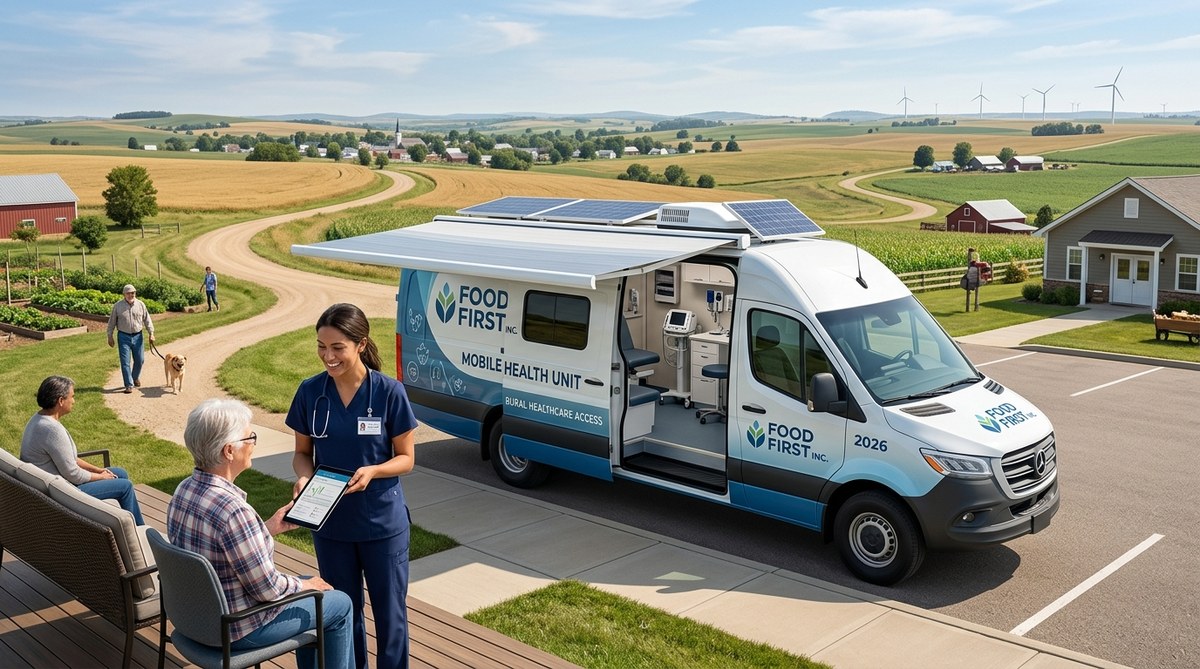
These units typically consist of specially equipped vans or buses that travel to remote locations. Inside, they house medical staff, diagnostic tools, and telehealth technology. This setup enables a variety of services from primary care and preventive screenings to chronic disease management and mental health support. As a result, rural residents no longer need to travel hours for basic health services.
How mobile health units are improving healthcare access
In 2026, mobile health units are making a tangible difference in rural health. They address numerous barriers that traditionally hinder access, including transportation issues, limited provider availability, and financial constraints.
Practical processes for deploying mobile health units
- Assess community needs: Local health authorities identify priority services based on disease prevalence, demographic factors, and existing gaps.
- Design tailored services: Mobile units are customized to meet specific community needs, whether that involves dental care, immunizations, or mental health counseling.
- Coordinate logistics and staffing: Mobile clinics are scheduled regularly, staffed by multidisciplinary teams, and equipped with telemedicine capabilities for specialist consultations.
Benefits for rural populations
- Increased access to preventive care: Immunizations, screenings, and wellness visits are more readily available.
- Early detection and management: Chronic illnesses like diabetes or hypertension can be monitored promptly.
- Reduced travel burden: Patients avoid long trips, saving time and money.
- Enhanced health equity: Vulnerable populations, such as seniors or low-income families, gain better access to vital services.
“Mobile health units are transforming the landscape of rural healthcare by bringing services directly to those who need them most,” says Dr. Emily Carter, a public health expert specializing in rural health systems.
Practical steps for successful implementation
- Engage community members to tailor services effectively.
- Partner with local organizations to enhance outreach.
- Incorporate telehealth to extend specialist access.
- Train staff in cultural competence and community engagement.
Common pitfalls and how to avoid them
| Technique | Mistake to Avoid |
|---|---|
| Proper planning | Overlooking community input |
| Staff training | Insufficient cultural competency |
| Scheduling | Inconsistent service hours |
| Technology | Lack of reliable connectivity |
Innovations fueling mobile health unit success
In 2026, a few key innovations are making mobile health units more effective than ever. These include:
- Telemedicine integration: Allows specialists to consult with patients remotely, expanding service scope.
- Electronic health records: Enable seamless documentation and data sharing.
- Community partnerships: Collaborations with local clinics, schools, and faith-based organizations improve outreach and trust.
- Mobile diagnostics: Portable lab equipment and imaging devices speed up diagnosis.
Techniques driving success and common mistakes
| Technique | Mistake to Avoid |
|---|---|
| Data-driven planning | Relying solely on assumptions without community input |
| Flexibility | Not adjusting schedules based on community feedback |
| Staff diversity | Ignoring cultural competence needs |
| Technology upgrades | Falling behind on connectivity and equipment maintenance |
Overcoming challenges to sustain mobile health programs
Despite their benefits, mobile health units face hurdles such as funding, staffing shortages, and logistical complexities. Addressing these requires strategic planning and creative solutions.
Practical approaches to sustain mobile units
- Secure diverse funding sources including federal grants, state programs, and community donations.
- Train local community health workers to support mobile team operations.
- Use data analytics to optimize routes and service offerings.
- Foster community ownership to boost trust and participation.
Mistakes to watch for
- Underestimating ongoing costs like fuel, maintenance, and staffing.
- Failing to measure outcomes, which can hinder funding and program expansion.
- Overgeneralizing services without adjusting based on community feedback.
The future of mobile health units in rural America
Looking ahead, mobile health units will become even more integrated into the broader healthcare infrastructure. They will leverage artificial intelligence for predictive analytics, expand into new service areas like dental and behavioral health, and connect with local clinics to create a seamless care network.
This evolution promises to close persistent gaps and build resilient, patient-centered rural health systems. As investments increase and technology advances, mobile health units will play an essential role in achieving health equity across rural communities.
How to bring mobile healthcare to your community
If you are a healthcare policymaker or a provider interested in expanding mobile health services, consider these steps:
- Identify community needs: Conduct surveys and gather data to understand gaps.
- Build partnerships: Collaborate with local organizations, schools, and faith groups.
- Secure funding: Explore federal programs, grants, and private donations.
- Invest in technology: Equip units with telehealth tools and electronic records.
- Engage community members: Involve residents in planning to ensure relevance and trust.
Mobile health units shaping the future of rural healthcare
As these units continue to evolve, their potential to transform rural health care becomes clearer. They are not just a stopgap but a crucial component of a more accessible, equitable system. By prioritizing community needs, leveraging innovations, and securing sustainable support, mobile health units can sustain their positive impact for years to come.
Bringing healthcare directly into underserved communities makes a real difference. It helps people stay healthier, reduces disparities, and builds stronger, more resilient rural health systems. Whether you are a policymaker or a provider, supporting and expanding mobile health initiatives could be one of the most effective steps toward healthier rural America in 2026 and beyond.