Blog

  • Innovative Strategies to Combat Hunger in Vulnerable Communities

    Innovative Strategies to Combat Hunger in Vulnerable Communities

    Hunger remains a pressing challenge in many parts of the world, particularly in vulnerable communities where traditional methods often fall short. But innovative strategies that focus on sustainable, community-driven, and natural solutions are changing the game. These approaches not only address immediate needs but also build resilience for the future. Let’s explore some of the most promising ways to combat hunger through creative, effective, and natural methods.

    Key Takeaway

    Innovative strategies to combat hunger focus on sustainable food production, empowering communities, reducing waste, and integrating technology. These approaches promote resilience and long-term food security through natural and community-driven solutions.

    Understanding the Need for New Approaches

    Traditional methods like food aid and distribution are vital but often insufficient for long-term solutions. They may create dependency or overlook root causes of food insecurity. To truly make a difference, we need to adopt strategies that are adaptable, scalable, and rooted in local contexts. These methods harness natural resources, community knowledge, and innovative technology to address hunger sustainably.

    Practical Strategies to Fight Hunger Naturally and Innovatively

    1. Promoting Local Food Systems and Sustainable Agriculture

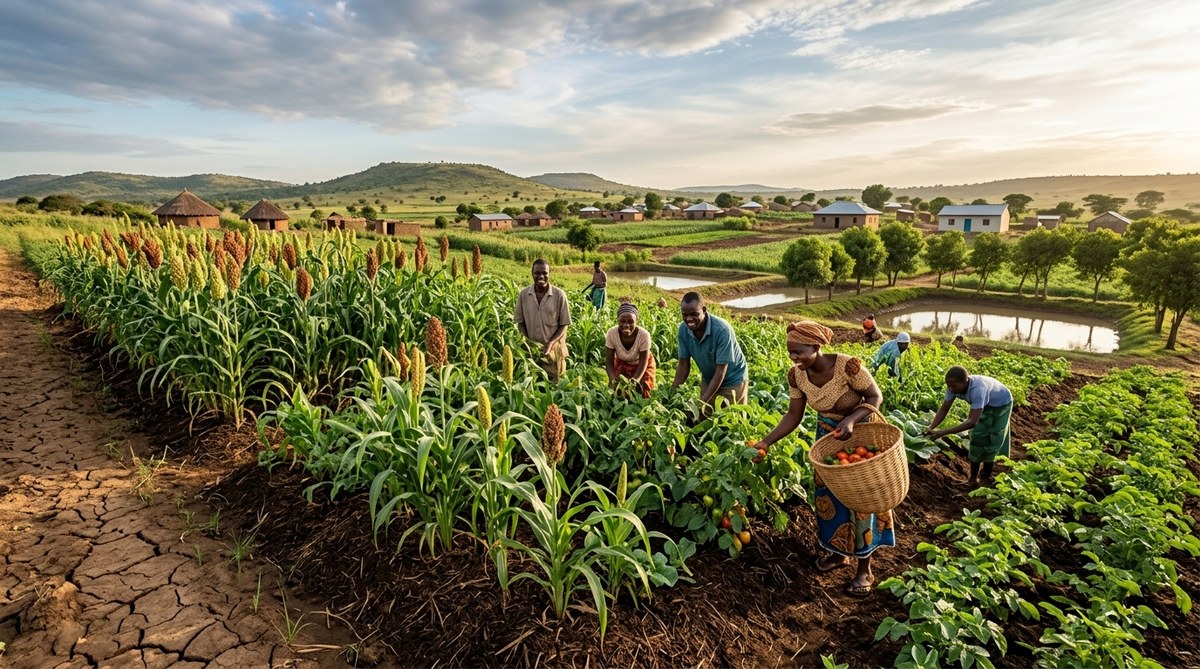
    Encouraging local food production reduces reliance on imported or emergency food supplies. Community gardens, urban farming, and permaculture initiatives empower residents to grow their own nutritious food. These methods often use organic practices, which improve soil health and crop resilience.

    • Support small-scale farmers with training in regenerative farming techniques.
    • Establish community seed banks to preserve local crop varieties.
    • Integrate agroforestry practices that combine trees with crops for better yields and ecosystem health.

    2. Leveraging Technology for Smart Food Distribution

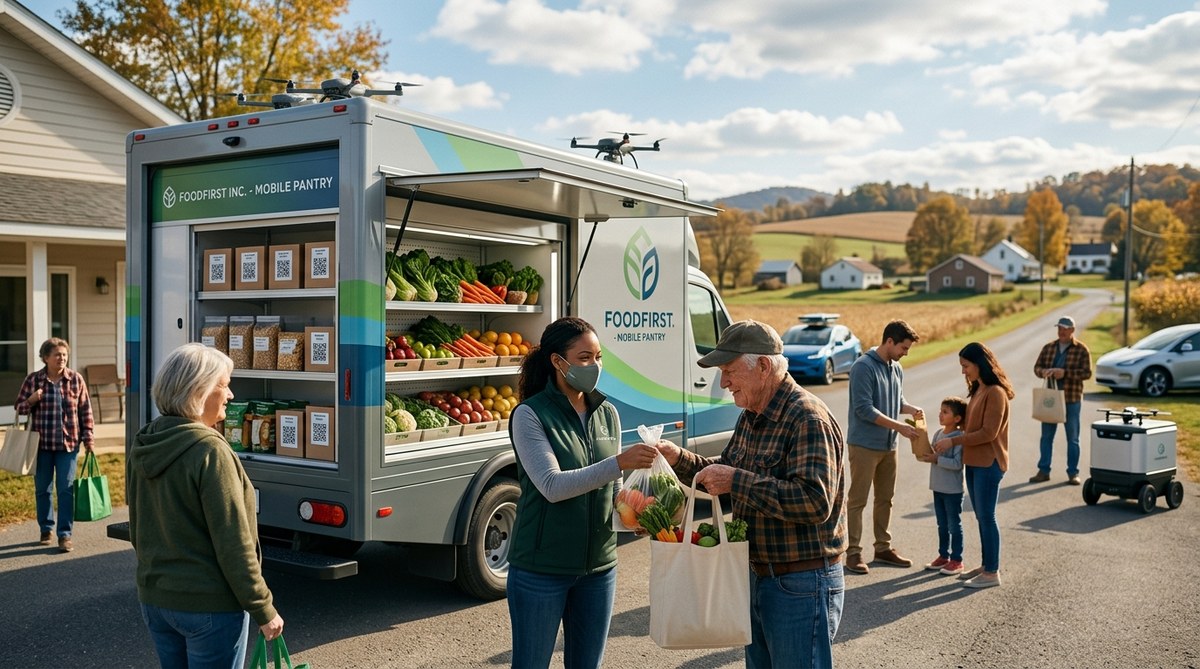
    Technology can optimize food supply chains, minimize waste, and connect vulnerable populations with resources. Mobile apps and data analytics help identify areas with the greatest need and facilitate timely distribution.

    • Use mapping tools to locate food deserts and target interventions.
    • Implement digital platforms for community-led food sharing initiatives.
    • Employ data-driven approaches to forecast shortages and plan accordingly.

    3. Building Community Resilience Through Education and Capacity Building

    Empowering communities with knowledge about nutrition, composting, rainwater harvesting, and sustainable farming makes them less dependent on external aid.

    • Conduct workshops on home gardening and natural pest control.
    • Develop local leadership to manage food security initiatives.
    • Promote traditional knowledge alongside modern sustainable practices.

    4. Reducing Food Waste and Promoting Food Recovery

    A significant amount of edible food is lost or wasted every day. Implementing strategies to recover and redistribute surplus food can significantly alleviate hunger.

    Technique Common Mistake
    Food donation programs Failing to match surplus food with local needs
    Community composting Overlooking safety standards for compost quality
    Food rescue apps Lack of coordination between donors and recipients
    • Partner with local businesses to redirect surplus food.
    • Establish community composting centers for organic waste.
    • Use apps and social networks to connect donors with charities.

    5. Supporting Innovative Food Sources and Natural Proteins

    Exploring alternative, sustainable protein sources can supplement diets in areas where traditional sources are scarce.

    • Promote edible insects as a high-protein, low-impact food.
    • Cultivate algae and aquatic plants for nutritious supplements.
    • Encourage small-scale aquaponics systems that combine fish farming with plant cultivation.

    “Innovative food sources not only diversify diets but also reduce environmental impact and provide resilient options for communities facing climate-related challenges,” says Dr. Maria Lopez, a food security expert.

    Common Techniques and Pitfalls in Fighting Hunger

    Technique Common Mistake
    Urban farming Lack of community engagement or proper planning
    Food sharing initiatives Insufficient coordination leading to waste or misallocation
    Technology-based distribution Overreliance on digital literacy, leaving out the most vulnerable

    How To Implement These Strategies Effectively

    1. Assess local needs and resources to tailor interventions accordingly.
    2. Engage community members from the start to ensure buy-in and sustainability.
    3. Partner with local organizations and experts to improve outcomes.
    4. Monitor and adapt strategies based on feedback and changing conditions.
    5. Invest in education and capacity building to foster independence and resilience.

    The Power of Community and Natural Solutions

    Addressing hunger through innovative, natural strategies is about more than just providing food. It’s about empowering communities to take control of their food systems. By promoting local food production, reducing waste, and leveraging technology wisely, communities build resilience and sustainability.

    A Practical Process for Action

    1. Identify the specific needs and resources of the community.
    2. Develop a plan that combines sustainable agriculture, waste reduction, and community education.
    3. Mobilize local leaders and stakeholders to implement the plan.
    4. Use data and feedback to refine approaches.
    5. Celebrate small wins to build momentum and community pride.

    Embracing Natural and Sustainable Solutions for Lasting Impact

    Natural strategies to combat hunger are often low-cost, scalable, and deeply rooted in local contexts. From community gardens to innovative protein sources, these methods foster a sense of ownership and resilience. They also respect ecological boundaries and promote healthier diets.

    Final Tips for Community Leaders and Policymakers

    • Invest in training programs that teach sustainable farming and resource management.
    • Promote policies that support local food systems and small farmers.
    • Foster collaborations between technology providers and community groups.
    • Prioritize transparency and community participation.

    Nurturing Hope Through Sustainable Action

    Creating lasting change in the fight against hunger involves combining innovation with community wisdom. By focusing on natural, sustainable methods, we can build resilient food systems that serve everyone. Small steps today can lead to healthier, more secure communities tomorrow. If you are involved in policymaking, research, or community leadership, consider how these strategies can be adapted to your local context. Together, we can turn the tide against hunger with natural, innovative solutions.


    Remember, fighting hunger is a collective effort rooted in understanding local needs and harnessing natural resources. Support your community with practical, sustainable actions that stand the test of time. Every effort counts toward building a world where no one goes hungry.

  • Hello world!

    Welcome to WordPress. This is your first post. Edit or delete it, then start writing!