How Technology Is Revolutionizing Healthcare Access in Underserved Communities by 2026
Access to healthcare remains a persistent challenge across many underserved communities in the United States. However, in 2026, technology is leading a revolution that promises to bridge gaps, improve outcomes, and bring care closer to those who need it most. From innovative telemedicine platforms to AI-powered diagnostics, the landscape of healthcare access is evolving rapidly. This transformation is driven by a combination of advanced tools, policy shifts, and a growing commitment to health equity.
By 2026, healthcare access technology is reshaping how underserved communities receive care. Innovations like telemedicine, AI diagnostics, and mobile health tools are making services more reachable, affordable, and personalized, closing longstanding gaps in health equity across the U.S.
How Healthcare Technology Is Improving Access in 2026
The push toward health equity is more urgent than ever. Communities in rural areas, urban pockets with limited healthcare infrastructure, and marginalized groups often face barriers such as transportation issues, provider shortages, and language barriers. Technology is stepping in to address these challenges head-on.
In 2026, the integration of digital tools has become a cornerstone of healthcare delivery. These innovations are not just about convenience but are vital for ensuring that every individual, regardless of location or socioeconomic status, can access essential health services.
Key Technologies Reshaping Healthcare Access
Telemedicine and Virtual Care Networks
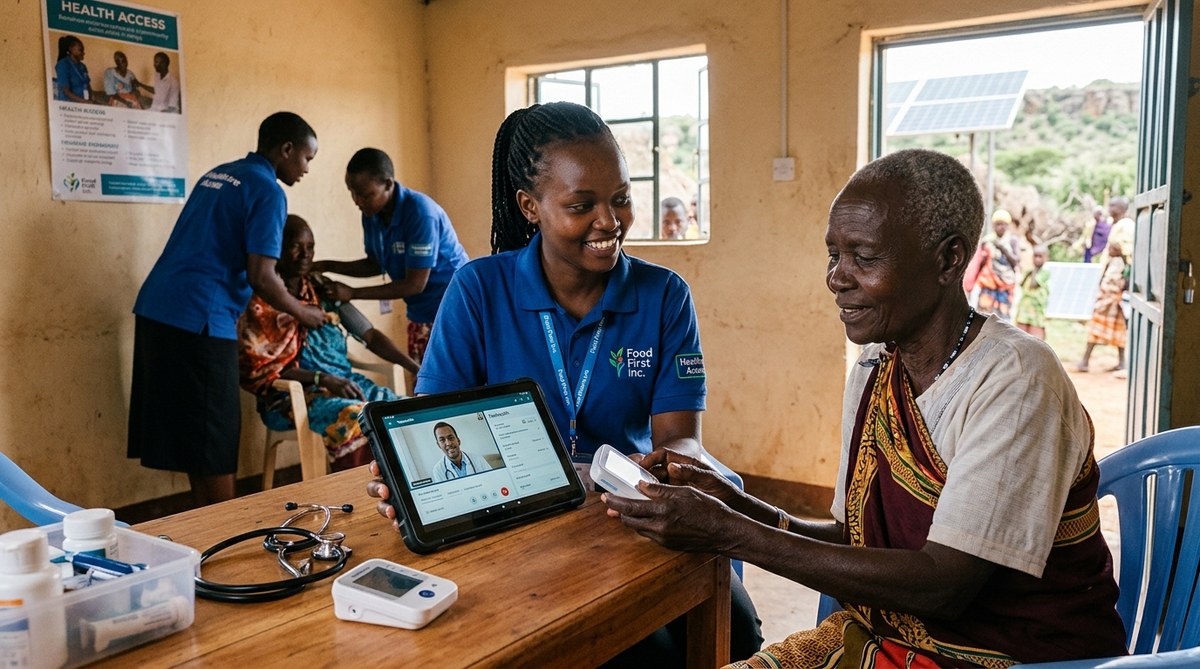
Telemedicine has become a staple in underserved communities. Platforms now connect patients with providers without the need for travel, reducing barriers related to transportation and time. Mobile clinics equipped with telehealth capabilities extend care to remote areas, providing services like primary care, mental health counseling, and chronic disease management. These virtual networks are especially crucial during health crises and for populations with mobility challenges.
Mobile Health Tools and Apps
Smartphones are increasingly becoming health hubs. Community clinics and health organizations deploy apps that allow users to schedule appointments, receive medication reminders, and access health education tailored to their language and literacy levels. These tools empower individuals to take charge of their health and foster ongoing engagement with providers.
AI-Driven Diagnostics and Decision Support
Artificial intelligence is revolutionizing diagnostics, especially in settings with limited specialist access. AI-powered tools analyze medical imaging, lab results, and patient history in real-time, providing frontline workers with immediate insights. This ensures timely diagnosis and treatment initiation, reducing delays that often occur in underserved areas.
Remote Monitoring and Wearable Devices
Wearables and remote monitoring devices enable continuous health tracking, which is critical for managing chronic conditions like diabetes and hypertension. Data collected can be shared with healthcare teams in real-time, allowing for proactive interventions and reducing unnecessary hospital visits.
Data Interoperability and Community Health Data Platforms
Efforts to connect health records across systems mean that community clinics, hospitals, and social services can share critical information seamlessly. This integration ensures comprehensive care and helps address social determinants of health, which are often overlooked but vital for underserved populations.
Practical Steps to Leverage Healthcare Access Technology 2026
Implementing these innovations effectively requires strategic planning. Here are four steps organizations and policymakers can take:
- Assess Community Needs and Tech Readiness: Conduct surveys and community engagement to understand specific barriers and the technological infrastructure available.
- Invest in Digital Infrastructure: Expand broadband access, especially in rural and low-income urban areas, to ensure reliable connectivity for telehealth services.
- Train Healthcare Workers and Community Leaders: Provide training on new tools and platforms to ensure they are used effectively and culturally appropriate.
- Develop Partnerships and Funding Models: Collaborate with tech companies, nonprofits, and government agencies to fund and sustain innovative programs.
Effective Use of Technology and Common Pitfalls
| Technique | What to Do | Common Mistakes |
|---|---|---|
| Telemedicine | Tailor platforms for low bandwidth and mobile use | Overlooking user literacy levels |
| AI Diagnostics | Validate algorithms with diverse datasets | Relying solely on technology without human oversight |
| Mobile Apps | Incorporate multilingual and accessible design | Failing to update or maintain apps |
| Data Platforms | Ensure interoperability standards are met | Data privacy violations |
Expert Advice
“The key to making healthcare access technology work in underserved communities is understanding local contexts. Technology alone isn’t enough; it must be paired with community engagement and ongoing support,” emphasizes Dr. Lisa Martinez, a public health innovator.
Challenges and Solutions in Implementing Healthcare Technology
While the potential is enormous, several obstacles remain. Infrastructure gaps, digital literacy, and trust issues can hinder adoption. Addressing these requires thoughtful approaches:
- Building Trust: Community leaders and local organizations should be involved to foster acceptance.
- Ensuring Privacy and Security: Robust safeguards are necessary to protect sensitive health data.
- Providing Technical Support: Ongoing training and troubleshooting help sustain usage.
- Monitoring and Evaluation: Regular assessment ensures that interventions meet community needs and adapt over time.
The Role of Policy and Funding in Expanding Access
Policymakers play a critical role in scaling these technological solutions. Policies that promote broadband expansion, support telehealth reimbursement, and incentivize innovation can accelerate progress. Funding streams from federal programs, state initiatives, and private investments are vital for maintaining momentum and ensuring sustainability.
Building a More Equitable Healthcare Future
As technology continues to evolve, the focus must remain on equitable access. Innovations like community-based digital literacy programs and culturally sensitive health apps can bridge gaps that technology alone cannot overcome.
Practical Example
In rural Alabama, a pilot program used mobile clinics equipped with telehealth stations and AI diagnostics. Patients with chronic conditions received regular remote monitoring, reducing emergency visits by 30 percent. The program expanded after demonstrating tangible health improvements and high community engagement.
Moving Forward with Confidence
The future of healthcare access technology 2026 is promising. By harnessing these tools thoughtfully, healthcare professionals, policymakers, and communities can create a system where everyone has a fair chance at good health. Remember, technology is just the enabler. The real change happens when it is used to serve people’s unique needs.
Innovating Access, One Community at a Time
Fostering health equity requires ongoing effort, collaboration, and innovation. Embrace these emerging technologies and adapt them to your community’s context. Small steps, like integrating a new telehealth platform or training staff on AI tools, can lead to significant improvements. With continued dedication, a future where underserved populations enjoy the same level of care as others is within reach.