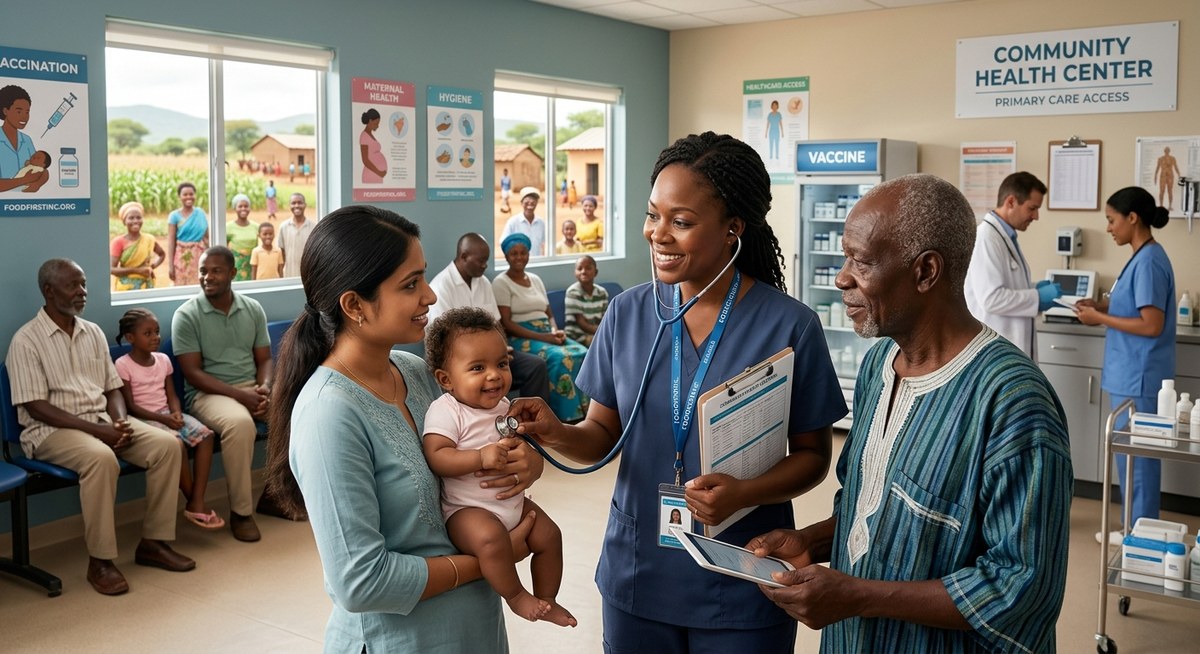
Why Investing in Primary Healthcare Is the Key to Global Health Equity in 2026
In 2026, the gap between those who have access to quality healthcare and those who do not is still far too wide. We spend billions on high tech procedures that extend life for a few, while millions of people die each year from conditions that are completely treatable in a primary care setting. This imbalance is not an accident. It is a result of where we choose to invest. Shifting resources toward primary healthcare is not just a nice idea. It is the most direct path to closing the health equity gap. For policymakers and advocates who want to build systems that actually serve everyone, primary care is the foundation.
Primary healthcare is the engine of health equity. It prevents disease, cuts costs, and reaches the most vulnerable. In 2026, smart investment in community based clinics, trained health workers, and integrated services offers the best path to closing the health gap. Policymakers and advocates must prioritize primary care to build resilient systems that serve everyone, everywhere.
The True Cost of Neglecting Primary Care
When we neglect primary healthcare, we do not save money. We simply shift the cost to emergency rooms and specialist visits. A child who misses a routine vaccination ends up in a hospital with a preventable disease. An adult with uncontrolled high blood pressure suffers a stroke that could have been avoided with regular check ups. These are not just tragedies. They are expensive failures of the system.
Global health equity depends on everyone having access to a trusted health worker close to home. Without that foundation, the rest of the system becomes a safety net full of holes. People in wealthier neighborhoods can access preventive care, while those in rural or low income areas are forced to wait until they are very sick. That is not health. It is crisis management.
Why Primary Healthcare Creates Equity
Health equity means that everyone has a fair opportunity to be as healthy as possible. Primary care is the only part of the health system that can deliver on this promise consistently. It focuses on prevention, early detection, and managing chronic conditions over time. It also addresses the social determinants of health by connecting patients to nutrition assistance, housing support, and mental health services.
A strong primary care system catches problems before they become emergencies. It reduces the burden on hospitals. It lowers overall costs. And it builds trust within communities. People see the same provider year after year. That relationship matters. It is the difference between someone showing up for a check up and ignoring a symptom until it is too late.
Three Ways to Invest for Maximum Impact
If you are a policymaker or advocate looking to make a real difference, here is where to put your energy and funding.
-
Expand and support the community health workforce. The most effective primary care systems rely on people from the communities they serve. Community health workers understand local languages, customs, and barriers. They can deliver basic care, provide health education, and follow up with patients who might otherwise fall through the cracks. Investing in their training and providing fair wages is one of the highest return investments you can make.
-
Integrate services at the clinic level. Too often, a patient has to visit three different locations to get their blood pressure checked, their diabetes managed, and their mental health counseling. Integrating these services into one primary care visit improves outcomes and reduces costs. It also makes life easier for patients, especially those who cannot take time off work or find reliable transportation.
-
Use data to find and fix gaps. You cannot improve what you do not measure. Simple data systems that track who is getting care and who is not can reveal shocking disparities. A community health center in a low income neighborhood might find that only 40% of their patients over 50 have received a recommended screening. That data point tells you exactly where to focus your outreach.
Breaking Down the Barriers
There are real obstacles to building strong primary care systems. Recognizing them is the first step to overcoming them. The table below outlines the most common barriers and practical solutions.
| Barrier | Impact on Equity | Practical Solution |
|---|---|---|
| Fragmented funding streams | Money is tied to specific diseases, leaving communities with multiple needs underserved. | Combine funding into a single block grant for primary care at the local level. |
| Shortage of trained health workers | Rural and remote clinics lack staff, forcing residents to travel long distances for basic care. | Train and deploy community health workers to handle common conditions and preventive care. |
| Poor data collection | Policymakers cannot identify which populations are being missed. | Implement simple digital registries to track patient panels and outcomes over time. |
| Weak supply chains | Clinics run out of vaccines, antibiotics, and diagnostic tools. | Partner with local logistics networks and use mobile health units to deliver supplies. |
“The evidence is overwhelming. Countries that have invested in primary healthcare have achieved better health outcomes, higher patient satisfaction, and lower costs. It is the most equitable approach to health system strengthening.”
Dr. Tedros Adhanom Ghebreyesus, WHO Director General
A Foundation for Broader Global Goals
Strong primary healthcare does not exist in a vacuum. It reinforces other critical areas of development. When a clinic is connected to a nutrition program, a child who is screened for malnutrition gets immediate support. That same clinic can offer vaccinations, treat common infections, and educate families about hygiene. This integrated approach is why organizations like Food First focus on the whole picture.
By supporting primary healthcare global health equity, we also support building resilient food systems. A mother who can access prenatal care and food assistance has a much better chance of delivering a healthy baby. A family that is food secure can focus on managing a chronic condition rather than worrying about their next meal. These systems are not separate. They are deeply connected.
Our programs in community led food security show that when people have access to nutrition, their response to primary healthcare dramatically improves. We see it every day in the communities we serve.
Practical Processes for Advocates
You do not need to run a national health system to make a difference. Here is a simple process you can follow to push for better primary care investment in your own community or area of work.
- Step one: Map the existing primary care resources in your target area. Where are the clinics? Who do they serve?
- Step two: Identify the gaps. Which populations are not being reached? What services are missing?
- Step three: Build a coalition. Find other groups working on hunger, housing, and education. Health is connected to all of them.
- Step four: Present a clear ask. Use data to show the cost of inaction and the return on investment for primary care.
- Step five: Hold leaders accountable. Track spending and outcomes. Make sure promises turn into real funding.
A Shared Responsibility for 2026 and Beyond
The choice before us is clear. We can continue to spend money on treating advanced disease, which will always benefit the wealthy and leave the poor behind. Or we can invest in primary healthcare, which is the only part of the system designed to serve everyone equally.
For healthcare policymakers, the path forward means rethinking budget priorities. It means funding clinics instead of just hospitals. It means valuing prevention as much as treatment. For public health professionals and advocates, it means using your voice to demand change. It means showing up at budget hearings and asking hard questions.
Primary healthcare is not a silver bullet. But it is the strongest tool we have. In 2026, let us use it wisely. Let us build systems that catch people before they fall. Let us invest in the foundation that makes everything else possible. Start today. Ask your local health department how much they spend on primary care versus emergency care. The answer might surprise you. And it might just be the spark you need to start making a difference.