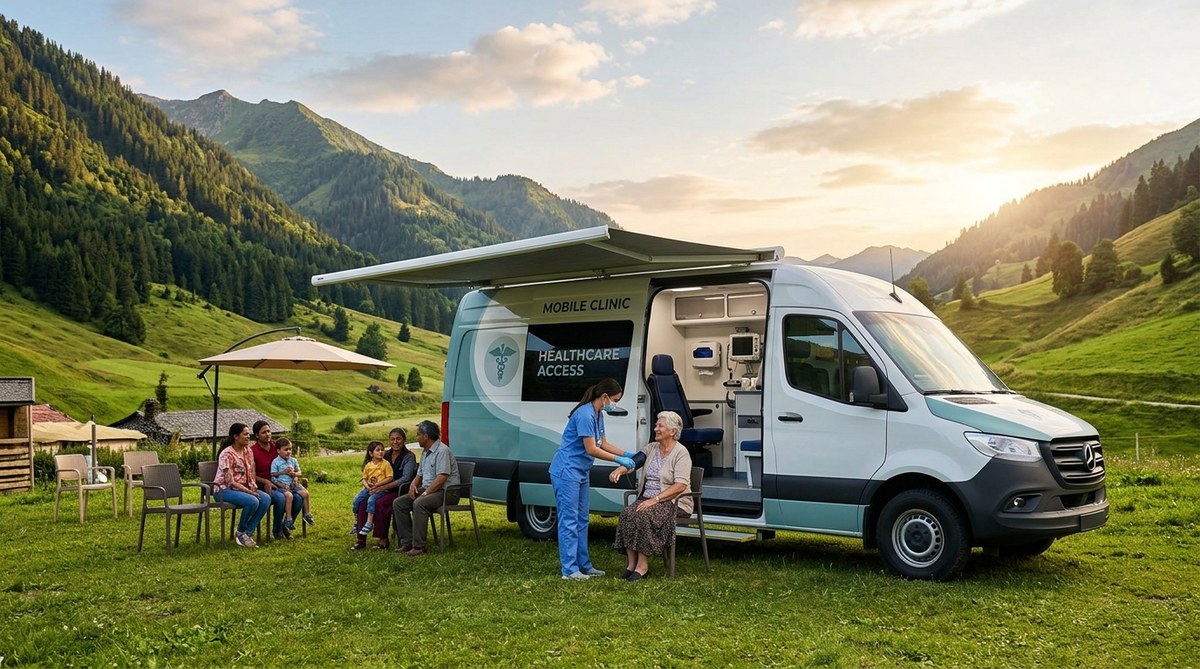
Expanding Healthcare Access in Remote Communities Through Mobile Clinics
Accessing quality healthcare remains a significant challenge in many remote and rural communities. Geographic isolation, limited transportation, and shortages of healthcare providers make it difficult for residents to receive timely medical attention. Mobile clinics offer a practical and innovative solution to bridge these gaps. These adaptable, traveling health centers bring essential services directly to underserved populations, improving health outcomes and fostering community well-being.
Mobile clinics for rural healthcare access are flexible, cost-effective solutions that extend vital services to hard-to-reach communities, reducing disparities and saving lives through direct outreach and tailored care delivery.
Why Mobile Clinics Are Vital for Rural Healthcare
In many rural regions, clinics are sparse or nonexistent. Patients often travel long distances to access primary care, specialist services, or preventive screenings. This delay in care can lead to worsening health conditions, higher emergency room visits, and increased mortality rates. Mobile clinics address these issues by bringing healthcare directly to the community, often on a scheduled basis.
These clinics are equipped with medical tools, technology, and staff to provide a wide range of services. From immunizations and chronic disease management to dental care and mental health support, mobile units serve as a lifeline for those who might otherwise remain underserved.
How Mobile Clinics Improve Access and Outcomes
Mobile clinics are more than just transportation—they are comprehensive care hubs. Their benefits include:
- Overcoming geographic barriers: By traveling to community centers, schools, or even rural homesteads, mobile clinics eliminate the need for patients to undertake arduous journeys.
- Reducing wait times: With scheduled visits, patients can access timely care, leading to early diagnosis and treatment.
- Offering a wide scope of services: From preventive screenings to urgent care, mobile clinics adapt to community needs.
- Building trust: Consistent presence in communities fosters relationships, encouraging preventive health behaviors.
- Supporting health education: Mobile units often serve as platforms for health promotion and disease prevention campaigns.
Practical Steps to Establish and Operate Mobile Clinics
Implementing effective mobile healthcare requires careful planning and collaboration. Here are key steps to consider:
-
Assess community needs
Conduct surveys or partner with local organizations to identify the most pressing health issues and service gaps. -
Secure funding and resources
Explore grants, government programs, or partnerships with nonprofits. Invest in reliable vehicles, medical equipment, and staffing. -
Plan routes and schedules
Develop consistent schedules and routes that maximize access, considering local events, seasonal shifts, and community feedback. -
Build partnerships with local stakeholders
Collaborate with community leaders, schools, religious institutions, and healthcare facilities to coordinate services and promote trust. -
Train staff and ensure compliance
Staff must be trained in mobile clinic operations, cultural competence, and safety protocols. Ensure adherence to licensing, insurance, and privacy regulations. -
Implement data collection and evaluation
Track service utilization, health outcomes, and patient satisfaction to refine operations and demonstrate impact.
Techniques for Successful Mobile Clinic Deployment
| Technique | Purpose | Common Mistakes |
|---|---|---|
| Community engagement | Builds trust and tailors services | Ignoring local input |
| Regular scheduling | Ensures consistent access | Inconsistent routes |
| Multiservice offerings | Addresses multiple health needs | Overloading staff or equipment |
| Use of telehealth | Extends specialist access | Technological barriers |
| Cultural sensitivity training | Enhances patient comfort | Stereotyping or neglecting local customs |
“Sustainable mobile clinics depend on understanding community needs and maintaining strong local partnerships,” advises Dr. Lisa Chen, a public health expert specializing in rural health initiatives.
Case Studies Showcasing Impact
Many programs have demonstrated remarkable results. For example, a rural health project in Montana saw a 30 percent increase in vaccination rates after deploying mobile units. In Appalachia, mobile dental clinics reduced the incidence of untreated cavities among children. These examples illustrate the potential of mobile clinics to transform health landscapes.
Addressing Challenges and Common Pitfalls
While mobile clinics are powerful tools, they come with challenges. Funding sustainability, staff retention, and logistical issues can hinder operations. Mistakes to avoid include:
- Insufficient community outreach leading to low utilization
- Poor planning resulting in missed service opportunities
- Neglecting to collect data for continuous improvement
- Overextending services without adequate resources
By understanding these pitfalls, organizations can create resilient and effective programs.
Future Directions in Rural Mobile Healthcare
Advancements in technology, such as portable diagnostic tools and telemedicine, are expanding what mobile clinics can offer. Integrating electronic health records improves continuity of care. Policy support at the federal and state levels is crucial to fund and sustain these initiatives. As awareness grows, mobile clinics will likely become a cornerstone of rural health strategies.
How Policymakers and Advocates Can Support Mobile Healthcare
Supporting mobile clinics involves:
- Allocating grants and funding dedicated to mobile health infrastructure
- Streamlining licensing and regulatory processes for mobile units
- Promoting community-based participatory approaches
- Encouraging partnerships between healthcare providers and local organizations
“Policy changes that recognize mobile clinics as a vital part of the healthcare system can significantly expand their reach and effectiveness,” notes healthcare policy analyst Mark Reynolds.
Moving Toward Equitable Rural Healthcare
Mobile clinics for rural healthcare access are more than just mobile units—they are bridges to better health. They empower communities, reduce disparities, and save lives. If you are involved in healthcare policymaking or community health advocacy, supporting and expanding these services can make a tangible difference.
By building sustainable, community-centered mobile health programs, we can ensure that no one is left behind simply because they live in a remote area. Think of mobile clinics as a way to bring healthcare to the doorstep of those who need it most, creating healthier communities one visit at a time.
Final thoughts on expanding healthcare reach through mobile clinics
Taking proactive steps to implement or support mobile clinics in rural areas can transform health outcomes for underserved populations. Engage with local communities, plan carefully, and leverage technology to maximize impact. Together, we can make healthcare accessible for everyone, regardless of where they live.