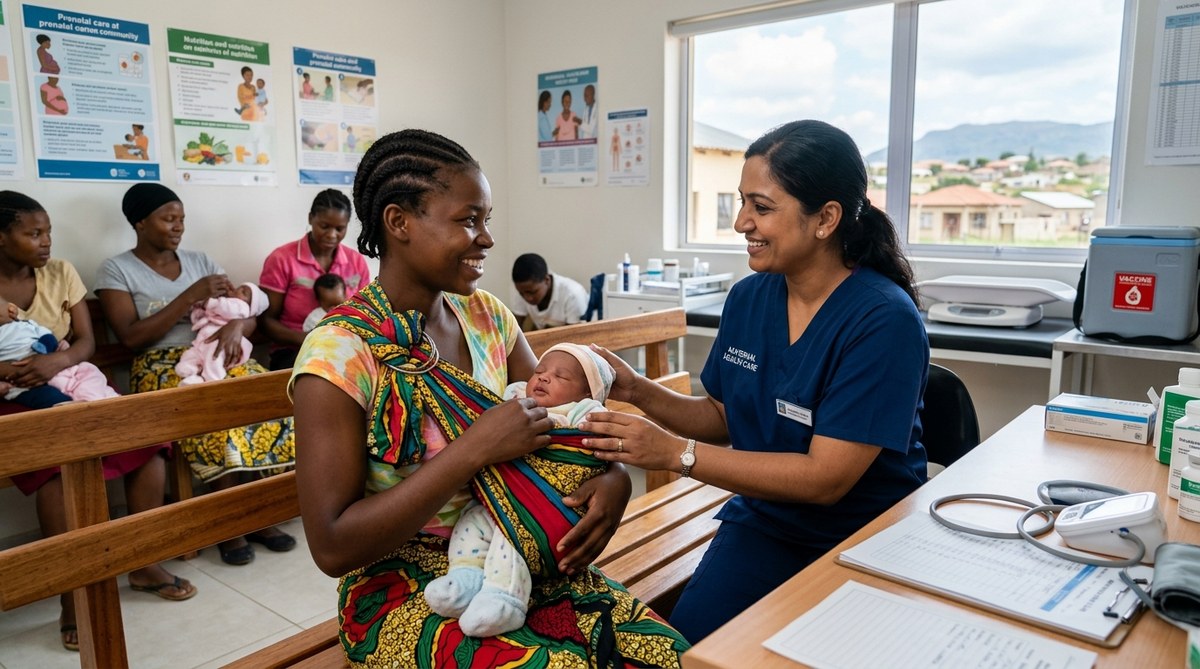
How Maternal Health Programs Are Saving Lives in Underserved Communities in 2026
The numbers are staggering. Every two minutes, a woman dies from preventable causes related to pregnancy or childbirth. The vast majority of these deaths happen in places where access to care is limited, resources are thin, and systemic barriers run deep. Yet across the United States and around the globe, targeted maternal health programs are changing that trajectory. In 2026, community driven initiatives are proving that even in the most underserved areas, lives can be saved with the right combination of training, technology, and trust.
Maternal health programs in underserved communities rely on community health workers, telemedicine, mobile clinics, and culturally tailored education to cut preventable deaths. In 2026, integrated approaches that address nutrition, mental health, and social determinants are showing the strongest results. Policy support and funding remain critical for scaling these life saving efforts.
The State of Maternal Health in Underserved Communities
Maternal mortality in the United States has been a persistent crisis, especially among Black, Indigenous, and rural populations. The CDC reports that Black women are three times more likely to die from pregnancy related causes than white women. Rural counties have seen maternity care deserts grow, with over 400 hospitals closing obstetric units in the past decade. Globally, sub Saharan Africa and South Asia carry the heaviest burden. But 2026 brings new hope. Dedicated maternal health programs are bridging gaps not just in clinical care but also in the social supports that keep mothers healthy before, during, and after birth.
Programs that work share common DNA: they are local, they listen, and they leverage every tool available. From community health workers walking door to door to mobile apps that connect pregnant women with specialists hundreds of miles away, the landscape is shifting.
What Makes a Maternal Health Program Effective?
Not every intervention saves lives equally. The most successful maternal health programs for underserved communities follow a few core principles.
- Community embeddedness – Staff reflect the population they serve and understand cultural norms.
- Continuity of care – Support starts before pregnancy and continues well into the postpartum period.
- Data driven decision making – Programs track outcomes and adjust in real time.
- Integration with primary care and nutrition – A mother cannot thrive if she is hungry or managing untreated chronic conditions.
A 2026 study from the American Journal of Public Health found that programs offering at least three of these elements reduced maternal mortality by 40 percent over five years.
4 Key Interventions Saving Lives Right Now
1. Community Health Worker Home Visiting
The single most effective tool in the toolkit may be the community health worker (CHW). Trained local women visit pregnant mothers in their homes, checking blood pressure, answering questions, and connecting them to food assistance. In Mississippi’s Delta region, a CHW program funded by the state cut preterm birth rates by 25 percent. The bond of trust is irreplaceable.
2. Mobile Health Units and Telemedicine
When the nearest hospital is an hour away, mobile clinics bring care to the doorstep. In rural Montana, a converted RV now serves as a prenatal clinic, offering ultrasounds and labs. Telemedicine platforms let high risk patients consult with maternal fetal medicine specialists without traveling. For many families, these services mean the difference between a safe delivery and a crisis.
3. Centering Pregnancy Group Care
Group prenatal care, where women meet together with a provider, builds community and knowledge. This model, pioneered in urban clinics, is now spreading to tribal health centers and migrant farmworker communities. Mothers report feeling less isolated and more empowered to advocate for themselves.
4. Postpartum Support and Mental Health Screening
The postpartum period is the most dangerous time for a new mother. Programs that extend visits to six weeks, three months, and beyond catch complications like hemorrhage, infection, and postpartum depression early. In 2026, many programs now include a mental health component, screening for anxiety and depression at every contact.
How to Implement a Successful Program: 6 Practical Steps
For policymakers and program directors looking to launch or scale maternal health programs in underserved communities, follow this numbered process.
- Assess the community’s specific needs. Hold listening sessions with mothers, birth workers, and local leaders. Map existing resources and gaps.
- Hire from within. Recruit community health workers who already live in the area and reflect its racial and cultural makeup.
- Establish referral pathways for food, housing, and mental health. No program operates in a vacuum. Partner with local food banks and social services.
- Use low tech reminders for appointment attendance. Text messages, phone calls, and even paper calendars work well in areas with limited internet.
- Train providers in respectful, trauma informed care. Implicit bias training and respectful maternity care protocols reduce mistrust and improve outcomes.
- Measure what matters. Track not just mortality but also near misses, birth weight, breastfeeding rates, and patient satisfaction. Use this data to improve continuously.
Barriers That Still Stand in the Way
Even the best designed programs face real obstacles. The table below compares common barriers with effective strategies that programs are using in 2026.
| Barrier | Strategy That Works |
|---|---|
| Lack of transportation | Mobile clinics, gas vouchers, ride share partnerships |
| Language and literacy gaps | Bilingual CHWs, pictogram based education materials |
| Mistrust of healthcare system | Consistent provider relationship, community co design of services |
| Inconsistent funding | Diversified funding: state grants, private philanthropy, Medicaid reimbursement |
| Shortage of skilled birth attendants | Training midwives and nurse practitioners, task shifting to CHWs for low risk care |
“We see the data every day. When a woman has a community health worker who visits her at home, she is far more likely to attend her postnatal checkup and less likely to end up in the emergency room. It is not complicated. It is about showing up and being consistent.” – Dr. Selena Martinez, Director of Maternal Health, Rural Health Alliance
The Role of Nutrition and Food Security in Maternal Health
You cannot separate a mother’s health from her access to nutritious food. Underserved communities often face food deserts, making it hard for pregnant women to get enough iron, folate, and protein. Innovative maternal health programs now include food prescriptions: vouchers for fruits and vegetables, enrollment in WIC, and partnerships with local farms. One pilot in the Navajo Nation provided weekly vegetable boxes to pregnant women and saw anemia rates drop by 18 percent.
For a broader look at how food access drives health outcomes, see our piece on innovative strategies to boost food security in vulnerable communities. And for a deep dive on technology bridging gaps, read how technology is revolutionizing healthcare access in underserved communities by 2026.
Looking Ahead: What Needs to Happen Next
The maternal health crisis did not appear overnight, and it will not be solved overnight. But 2026 is a year of real momentum. The federal Maternal Health Blueprint, released in late 2025, includes $200 million for community based programs. Several states have expanded Medicaid postpartum coverage to a full year. Grassroots organizations are pushing for doula coverage and midwifery licensing reform.
For researchers and policymakers, the next steps are clear: fund programs that have proven outcomes, remove bureaucratic barriers to CHW certification, and invest in telehealth infrastructure. For public health professionals, the call is to keep listening to the communities you serve and to adapt programs as needs change.
To see how community led projects are creating ripple effects beyond health, check out how community-led projects transform social impact in vulnerable regions. And if you are interested in how mobile units are making a difference, read how mobile health units are improving healthcare access for rural America in 2026.
Every Birth Deserves a Safe Environment
The headline numbers can feel overwhelming. But behind each statistic is a mother, a baby, and a family. Maternal health programs in underserved communities are not just saving lives; they are restoring dignity and hope. Whether you are a researcher crunching data, a policymaker crafting legislation, or a public health professional designing an intervention, you have the power to push this work forward. Start by learning what already works. Support the programs that do. And never underestimate the difference a single, well placed health worker can make. The next life saved could be in a community just like the one you serve.