5 Proven Strategies to Expand Healthcare Access in Underserved Communities
For families living in rural West Virginia or urban neighborhoods in Detroit, a trip to the doctor often means missing a full day of work, arranging childcare, and driving an hour or more. In 2026, this reality hasn’t changed for millions of Americans. But there is good news: proven strategies exist that can close these gaps. Public health professionals and community advocates are already using them to bring care closer to home. Let’s look at what works, how to implement it, and why healthcare access in underserved communities is finally getting the attention it deserves.
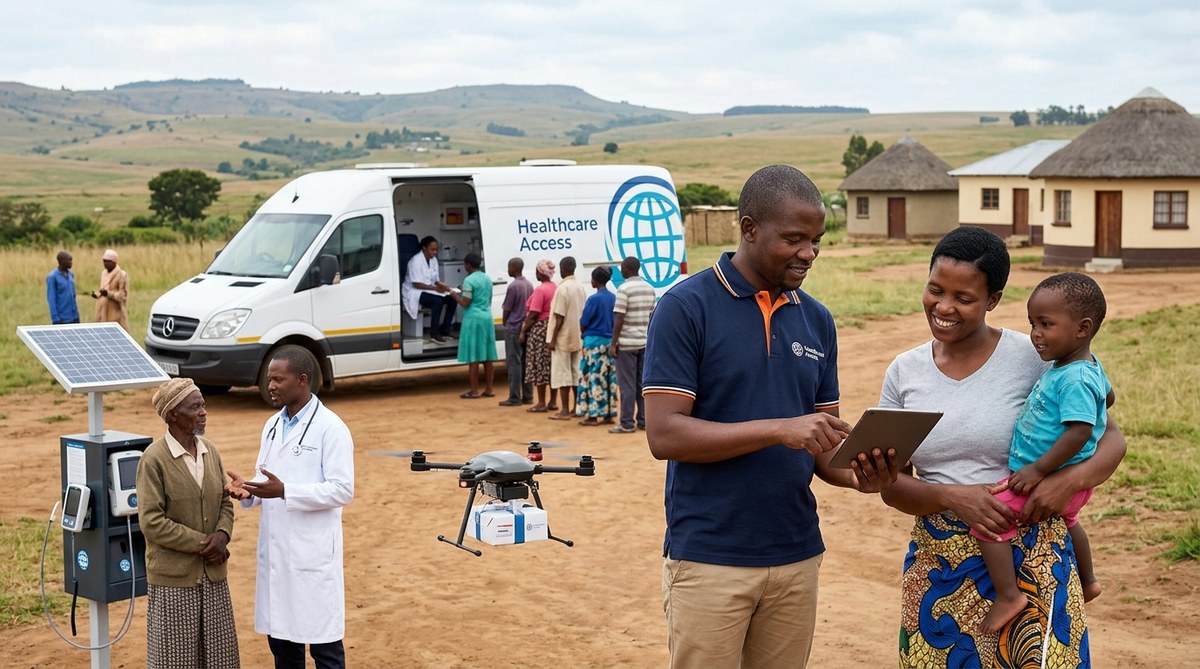
Expanding healthcare access in underserved communities requires a mix of mobile clinics, telehealth, trained community health workers, policy reform, and smart partnerships. Each strategy addresses different barriers like distance, cost, or cultural mistrust. When combined, they create a safety net that catches families who otherwise fall through the cracks. Success depends on listening to local needs first.
What Blocks Healthcare Access Today
You cannot fix a problem you do not understand. In underserved areas, the obstacles pile up. Distance and transportation top the list. Rural residents often drive sixty miles or more for a specialist appointment. In cities, bus routes may not connect to clinics during evening hours. Cost is another wall. Even with insurance, deductibles and copays can stop people from seeking care. Language barriers, health literacy gaps, and a deep mistrust of the health system also keep people away. Before you pick a strategy, map the specific barriers in your community. A needs assessment that surveys residents will show you where to start.
A 5-Step Process to Improve Healthcare Access in Your Community
This numbered process works for any organization, from a small nonprofit to a county health department. Follow the steps in order, and adjust based on your local data.
-
Conduct a community health needs assessment. Partner with local schools, churches, and food banks to survey residents. Ask about the top three reasons they miss appointments. Track answers by zip code. This gives you a baseline and builds trust.
-
Choose two to three interventions that match your barriers. If transportation is the main issue, a mobile clinic or a ride share program might help. If provider shortages are the problem, telehealth or community health workers can fill the gap. Do not try to do everything at once.
-
Pilot the intervention in one neighborhood first. Run the program for three months. Collect data on how many people used it, what they liked, and what they did not. Adjust the model before scaling.
-
Train staff and volunteers on cultural humility. Sending a provider who does not understand local customs can do more harm than good. Invest in training on implicit bias, trauma informed care, and language access.
-
Measure outcomes and share results. Track hard metrics like reduced emergency room visits, improved blood pressure control, or increased screening rates. Share them with funders and community members. This builds momentum for expansion.
Comparing Core Strategies: What Works Best for Your Situation
Different communities need different tools. This table breaks down three common approaches by cost, speed, and ideal setting.
| Strategy | Typical Cost (per year) | Time to Launch | Best For |
|---|---|---|---|
| Mobile clinics | $150,000 – $400,000 | 6-12 months | Rural areas with no nearby hospital; farmworker communities |
| Telehealth programs | $50,000 – $200,000 | 3-6 months | Areas with broadband; follow up visits; mental health |
| Community health worker models | $80,000 – $150,000 | 2-4 months | Urban neighborhoods with high chronic disease; immigrant communities |
Costs vary by region and scale. A mobile clinic serving a single county will cost less than a statewide fleet. Telehealth can be up and running faster than a brick and mortar clinic. Community health workers (CHWs) offer the lowest startup cost and the highest cultural return.
Essential Ingredients for Success
There are a few things every effective program has in common. Here is a bullet list of non negotiables.
- Listen before you act. Hold focus groups with residents. Let them tell you what they need. A program designed without community input will sit empty.
- Hire from the community. When your staff looks like the people they serve, trust grows. CHWs who live in the same neighborhood know the shortcuts and the struggles.
- Remove financial barriers. Sliding scale fees, free screenings, and help with insurance enrollment lower the biggest hurdle.
- Use data to iterate. Collect feedback monthly. If no one shows up, ask why. Change the hours, location, or services.
- Partner with trusted organizations. Libraries, barbershops, and faith based centers are natural allies. They already have the trust of residents.
“The most important step is not the technology or the bus. It is the relationship. When a patient sees a familiar face from their own block, they come back. And they bring their grandmother.”
* Dr. Maria Santos, director of community health at Southwest Rural Health Network
One Strategy That Deserves Extra Attention
Community health workers are the unsung heroes of healthcare access. They do not just connect patients to care. They accompany them to appointments, translate medical terms, follow up on prescriptions, and offer a cup of tea when the news is hard. Research shows that CHW programs reduce hospital readmissions by 30 percent or more. They also save money. Every dollar spent on a CHW can return two to three dollars in avoided emergency visits. If your budget is tight, start here. It is the most human and the most effective.
You can learn more about how these programs work on the ground in our article about how community health workers are transforming healthcare access in underserved areas.
Pitfalls to Avoid When Expanding Access
Even the best plan can fail if you trip over common mistakes. Watch out for these.
| Mistake | Why It Hurts | Better Approach |
|---|---|---|
| Ignoring transportation | Patients cannot get to you | Offer mobile services or partner with ride sharing |
| Using one way communication | You mail flyers in English only | Use text messages, community radio, and bilingual outreach |
| Overlooking hours | Clinic open 9-5 during work hours | Offer evening and weekend slots |
| Forgetting follow up | A single visit without continuity | Assign a CHW to check in within 48 hours |
Each mistake can be fixed with a small pivot. The key is to catch them early. Listen to the complaints and act.
Making Healthcare Equity a Reality in Your Community
You do not need a huge budget or a government grant to make a difference. Start with the people who already care about your neighbors. Train a few community health workers. Set up a telehealth station at the local library. Take a van to the farmers market on Saturday morning. Small steps, repeated consistently, build a system that works.
The goal is not charity. It is justice. Every person deserves to see a doctor when they are sick, to fill a prescription without choosing between food and medicine, and to be treated with dignity. In 2026, we have the tools. Let us use them together to expand healthcare access for underserved communities. Your community is waiting.