How to Strengthen Food Security in Marginalized Communities by 2026
Food insecurity remains a pressing challenge across the United States, especially within marginalized communities. Despite national advancements, disparities persist, leaving vulnerable populations at risk of hunger and poor health. As we approach 2026, policymakers, nonprofit organizations, researchers, and community leaders are seeking innovative ways to bridge these gaps. They are committed to building resilient, inclusive food systems that ensure everyone has access to nutritious food. This article explores practical strategies and policies to strengthen food security in marginalized communities by 2026, emphasizing community-driven approaches, technological innovations, and policy reforms.
Recognizing the urgency of food insecurity in marginalized communities
Food insecurity in marginalized communities stems from a combination of economic hardship, systemic inequities, and limited access to healthy options. These populations often include low-income families, rural residents, racial and ethnic minorities, and urban dwellers in food deserts. Despite the abundance of food in the country, structural barriers prevent many from obtaining sufficient, nutritious food. The consequences are severe, impacting health, education, and economic stability.
Recent studies highlight that by 2026, addressing these disparities is not just a moral obligation but a practical necessity for a healthier, more equitable society. Effective solutions will require coordinated efforts among government agencies, nonprofits, and local communities. Recognizing these complexities helps set the stage for tailored strategies that meet specific needs.
Practical steps to advance food security in marginalized communities
Achieving meaningful progress by 2026 involves implementing targeted, scalable actions. Here are three practical processes to drive change:
-
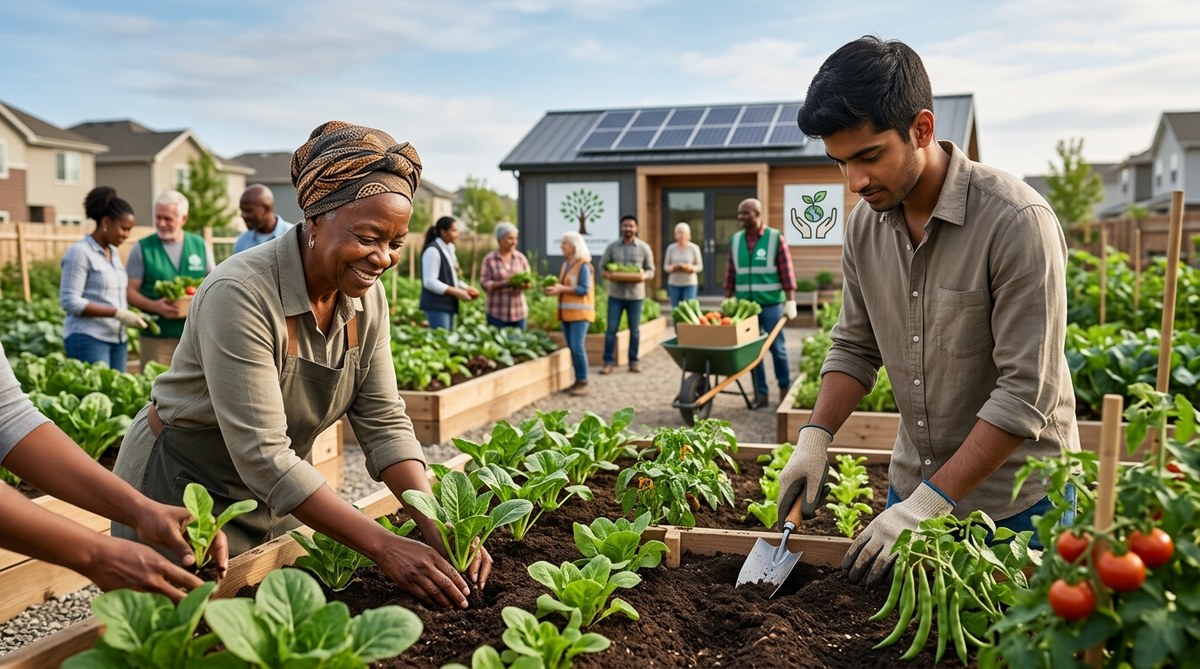
Promote local food systems and urban agriculture
Encouraging community gardens, urban farms, and farmers’ markets can directly supply fresh produce to food-insecure neighborhoods. Supporting local agriculture reduces transportation costs and fosters economic development within communities. Programs that provide training and resources empower residents to grow their own food and build resilient local food networks. -
Harness technology for better food distribution and data collection
Digital tools can streamline food assistance programs, track inventory, and identify areas with the greatest need. Mobile apps and data analytics enable organizations to optimize food distribution, reduce waste, and respond quickly during crises. Technology also facilitates community engagement by offering educational resources and feedback channels. -
Implement policy innovation and strengthen social safety nets
Policy reforms that expand eligibility and funding for food assistance programs like SNAP and WIC are critical. Integrating food security into broader social policies ensures vulnerable populations receive comprehensive support. Innovative policies may include incentives for grocery stores in food deserts or subsidies for healthy foods.
In addition to these steps, community-led initiatives and partnerships are vital. They ensure that solutions are culturally appropriate and locally supported, increasing their effectiveness.
Common pitfalls and how to avoid them
| Technique or strategy | Common mistake | How to avoid it |
|---|---|---|
| Scaling up urban agriculture | Overlooking community buy-in | Engage residents early, incorporate their input, and build trust |
| Relying solely on technology | Ignoring digital divide | Provide digital literacy training and accessible devices |
| Expanding assistance programs without integration | Fragmented services | Coordinate across agencies and create holistic support systems |
“Community involvement is the cornerstone of sustainable food security initiatives,” advises Dr. Lisa Carter, a public health expert. “When residents lead the way, programs are more likely to succeed and endure.”
Engaging communities in meaningful ways
Participation from local residents ensures that interventions align with their needs and preferences. Strategies include hosting town hall meetings, forming community advisory boards, and supporting peer-led education programs. When community members feel ownership over solutions, they become active partners in creating change.
Building trust and fostering open dialogue creates a foundation for long-term resilience. It also helps identify unforeseen barriers and tailor interventions accordingly.
Embracing innovation for resilient food systems
Innovation is key to overcoming persistent challenges. From vertical farming in urban centers to blockchain tracking of food supply chains, technological advances offer new avenues for improving access and transparency. Supporting climate-smart agriculture ensures that food systems are sustainable and adaptable to future climate changes.
Furthermore, cross-sector collaborations can develop novel funding models, such as social impact bonds, that incentivize long-term investment. These approaches foster a culture of continuous improvement and responsiveness.
Nurturing hope through practical solutions
Advancing food security in marginalized communities by 2026 is an ambitious but achievable goal. It requires persistent effort, innovative thinking, and inclusive policies. By focusing on community-driven approaches and leveraging technology, stakeholders can make significant strides. Remember, small changes in local food systems can ripple outward, creating a more equitable and healthy society.
Applying these strategies is within reach. With dedication and collaboration, we can ensure that no one in the United States faces hunger due to systemic barriers.
Building stronger neighborhoods with collective effort
Fostering food security in marginalized communities is a shared responsibility. Local governments, nonprofits, and residents must work together to create supportive environments. Programs like community-supported agriculture and mobile food markets are just some ways to bring fresh food closer to those who need it most.
Continued investment in education, infrastructure, and policy reform will pave the way for sustainable progress. Every effort counts when it comes to ending hunger and building resilient, inclusive food systems.
Turning local initiatives into nationwide change
Small-scale projects can grow into powerful movements that transform entire regions. Supporting grassroots organizations and providing them with resources amplifies their impact. Recognizing the unique strengths of each community allows for tailored solutions that resonate locally but inspire broader change.
By 2026, a collective focus on innovation and inclusion can reshape how we approach food security. The goal is to create a future where every person has reliable access to nutritious food, regardless of background or circumstance.
In the end, addressing food insecurity in marginalized communities is about more than just food. It is about dignity, health, and opportunity. With a shared commitment and strategic action, we can make meaningful progress towards a hunger-free future.