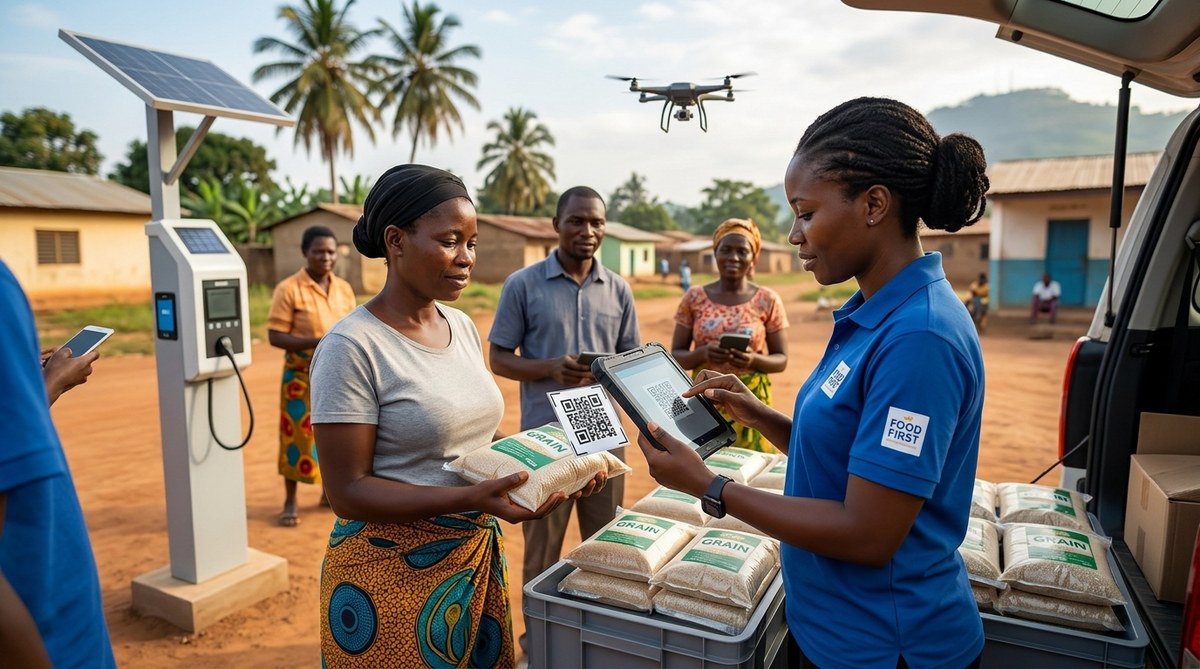
Harnessing Technology to Improve Food Distribution in Developing Countries
Digital technology is reshaping how food moves from farms to tables across the globe. In developing countries, where infrastructure challenges and resource limitations often hinder food supply chains, innovative digital solutions offer hope. They allow for better tracking, data-driven decision making, and more efficient distribution networks. These advancements are not just about technology for technology’s sake—they are vital tools in fighting hunger, reducing waste, and strengthening local economies. Understanding how digital technology impacts food distribution can empower policymakers, NGOs, and development professionals to create more resilient and inclusive food systems.
Digital technology is revolutionizing food distribution in developing countries by enabling better data collection, improving logistics, and fostering local food economies. These tools help combat hunger and build resilient food systems for the future.
How Digital Technology Is Changing Food Distribution in Developing Countries
In many developing regions, food supply chains face hurdles like poor infrastructure, limited access to markets, and inefficient logistics. Digital technology offers practical ways to overcome these barriers. By integrating mobile apps, data analytics, and IoT devices, stakeholders can improve every step of the food supply process. From farmers to consumers, digital solutions make food distribution more transparent, responsive, and sustainable.
Key technologies driving change
- Mobile platforms that connect farmers directly with markets
- Data analytics for demand forecasting and inventory management
- GPS and IoT devices for real-time tracking of shipments
- Blockchain to enhance supply chain transparency
- Cloud-based systems for coordinating logistics and storage
- Artificial intelligence for optimizing routes and predicting disruptions
These tools collectively create a more efficient food system that can adapt quickly to changing conditions. They also facilitate better resource allocation, reduce waste, and ensure food reaches those who need it most.
Practical Processes to Implement Digital Solutions in Food Distribution
Transitioning to digital food distribution involves several steps. Here’s a straightforward approach to integrating technology effectively:
-
Assess local needs and infrastructure
Understand the existing challenges and technological readiness. Conduct surveys to identify gaps in connectivity and logistics. -
Select appropriate digital tools
Choose solutions tailored to local contexts, such as mobile apps for smallholder farmers or GPS tracking for transportation. -
Train stakeholders and build capacity
Offer training sessions for farmers, distributors, and local officials to maximize the use of new technologies. -
Establish data management and sharing protocols
Create standards for data collection and sharing to ensure transparency and security. -
Monitor, evaluate, and adapt
Track performance metrics and feedback to refine digital strategies continually.
Key benefits of digital food distribution
- Greater transparency in supply chains
- Improved logistics efficiency
- Better demand forecasting
- Increased access for smallholder farmers
- Reduced food waste and spoilage
- Enhanced resilience to climate and market shocks
Common pitfalls and how to avoid them
| Techniques | Mistakes to Avoid |
|---|---|
| Relying solely on high-tech tools | Ignoring local context and capacity |
| Poor stakeholder engagement | Failing to include farmers and communities |
| Neglecting infrastructure needs | Overlooking internet access and devices |
| Lack of ongoing training | Assuming skills are acquired once |
| Ignoring data privacy concerns | Sharing sensitive info without safeguards |
How Experts See the Role of Digital Tech in Food Security
“Digital technology can be a game-changer in creating more equitable and resilient food systems. It enables smallholder farmers to access markets, receive fair prices, and reduce post-harvest losses.” — Dr. Maria Lopez, Food Systems Specialist
Digital solutions are not a silver bullet but an essential part of broader efforts to end hunger. They empower local communities, improve supply chain efficiency, and foster transparency. When combined with policy support and infrastructure investments, these technologies can transform food distribution in developing countries.
Real-World Examples of Digital Impact
- In Kenya, mobile money platforms like M-Pesa enable farmers to receive payments securely, reducing delays and theft.
- In Bangladesh, digital marketplaces connect farmers directly with buyers, removing middlemen and increasing income.
- In Ethiopia, drone technology helps monitor crop health and optimize fertilizer use, boosting yields and food security.
- Blockchain platforms such as IBM Food Trust enhance traceability and safety in supply chains, building consumer trust and reducing fraud.
These examples highlight how adaptable digital technology can be across diverse contexts, addressing specific local needs and challenges.
Building Resilient Food Systems Through Digital Innovation
Creating a resilient food system means preparing for shocks like climate change, market fluctuations, and pandemics. Digital technology plays a pivotal role by providing real-time information and enabling rapid responses.
For instance, early warning systems using satellite data can predict droughts or floods, allowing communities to prepare. Digital marketplaces can help farmers find new buyers during disruptions. Data-driven insights support policymakers in designing targeted interventions, ensuring food security even in crises.
A step-by-step approach for resilience
-
Implement early warning systems
Use satellite imagery and weather data to anticipate adverse events. -
Develop digital marketplaces
Facilitate continued access to markets when physical access is limited. -
Encourage local innovation
Support startups and community-led digital projects addressing specific needs. -
Invest in infrastructure
Enhance internet and mobile connectivity to sustain digital ecosystems.
Final Thoughts: Moving Toward Smarter Food Distribution
Harnessing digital technology to improve food distribution in developing countries is more than a trend; it is a necessity. These tools can make food systems more efficient, transparent, and resilient. For researchers and policymakers, understanding the potential of digital solutions is crucial for designing impactful programs.
Implementing these technologies requires patience, collaboration, and a focus on local context. Yet, the rewards—reduced hunger, empowered farmers, and stronger communities—are well worth the effort. By embracing digital innovation, we can build food systems that serve everyone better.
Take action today
Start by assessing local needs and exploring suitable digital tools. Engage with communities and train stakeholders to ensure sustainable adoption. Remember, small steps today can lead to a more food-secure tomorrow.
Building a Future Where No One Goes Hungry
Digital technology holds the promise of transforming how food reaches those in need. When combined with thoughtful policies and community engagement, it can help end hunger and build stronger, more resilient food systems worldwide. Keep exploring, learning, and applying these solutions to make a lasting impact in developing countries.