Innovative Strategies to Boost Food Security in Vulnerable Communities
Food security remains one of the most pressing challenges faced by vulnerable communities worldwide. Traditional methods often fall short in addressing the complex, interconnected factors that influence access to nutritious food. As global pressures like climate change, economic instability, and conflict persist, it becomes vital to adopt innovative, adaptable strategies. These approaches not only improve immediate food availability but also build resilience for future generations.
Implementing fresh, community-centered strategies like local food systems, technology integration, and policy innovation can significantly enhance food security. These methods foster resilience, empower vulnerable populations, and create sustainable solutions for the long term.
Understanding the importance of innovative approaches to food security
Addressing food insecurity demands more than just increasing food production. It requires rethinking how food systems operate, especially in areas where resources are limited or disrupted. Innovative strategies focus on creating adaptable, inclusive, and sustainable solutions that can withstand shocks and stressors. They often involve leveraging technology, fostering community ownership, and integrating policies that promote resilience.
The goal is to shift from reactive measures to proactive, systemic changes that support vulnerable populations. These approaches acknowledge local contexts and empower communities to take charge of their food futures. By doing so, they lay a foundation for healthier, more self-reliant communities.
Practical strategies to boost food security
Here are some of the most promising methods currently shaping the future of food security initiatives:
1. Promoting local food systems and urban agriculture
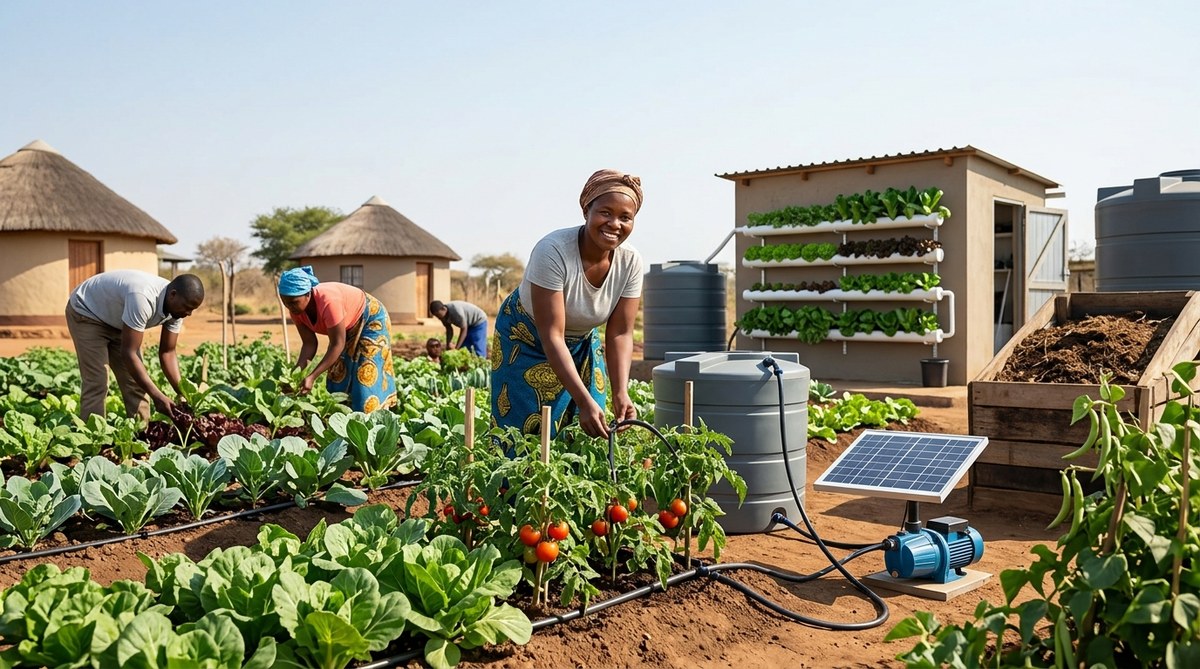
Developing local food systems means supporting community gardens, urban farms, and farmers’ markets. These initiatives reduce dependence on distant supply chains and foster community engagement. They also cut transportation emissions and provide fresh produce directly to residents.
Steps to implement:
– Identify available spaces for urban farming.
– Partner with local organizations and schools.
– Provide training on sustainable farming practices.
– Facilitate access to microfinancing or grants.
2. Harnessing technology for better food distribution and data collection
Digital tools can revolutionize how communities manage food resources. Mobile apps can connect farmers directly with consumers, reducing waste and increasing income. Data analytics help identify gaps, monitor food insecurity trends, and optimize supply chains.
Key tech solutions include:
– Mobile marketplaces for local produce.
– Food waste tracking platforms.
– Drones and satellite imagery for agricultural monitoring.
– Data dashboards for policymakers.
3. Implementing policy innovation and social safety nets
Policy changes can create an enabling environment for food security. This includes expanding social safety nets like food vouchers, conditional cash transfers, and supporting smallholder farmers with access to credit and resources.
Effective policy actions:
– Simplify access to food assistance programs.
– Encourage government investments in rural infrastructure.
– Promote land rights and access to agricultural inputs.
– Foster cross-sector collaboration among stakeholders.
4. Building community resilience through education and capacity building
Empowering communities with knowledge enables sustainable practices and self-reliance. Education programs on nutrition, climate adaptation, and resource management can have lasting impacts.
Activities to consider:
– Workshops on conservation agriculture.
– Nutrition education in schools.
– Community-led disaster preparedness planning.
– Supporting local leadership and participatory decision-making.
5. Supporting climate-smart agriculture and sustainable practices
Climate change poses a significant threat to food security. Implementing climate-smart techniques like drought-tolerant crops, water harvesting, and agroforestry can mitigate risks.
Best practices include:
– Diversifying crop varieties.
– Promoting soil conservation.
– Using renewable energy sources.
– Protecting natural ecosystems.
Techniques and common pitfalls in boosting food security
| Techniques | Common Mistakes |
|---|---|
| Community engagement and ownership | Ignoring local knowledge and context |
| Integrating technology with local practices | Over-reliance on high-tech solutions without support |
| Policy reforms that promote inclusivity | Implementing top-down approaches that neglect community voices |
| Diversifying food sources and crops | Monoculture farming that increases vulnerability |
| Building partnerships across sectors | Fragmented efforts with no clear coordination |
“Sustainable food security hinges on community-led innovations that respect local contexts and leverage new technologies thoughtfully,” emphasizes Dr. Maria Lopez, a global food systems expert.
Common mistakes to avoid:
- Focusing solely on supply without considering access.
- Overlooking cultural preferences and practices.
- Relying heavily on external aid without fostering local capacities.
- Ignoring environmental impacts of certain interventions.
Engaging communities through participatory processes
A crucial aspect of successful food security initiatives involves active community participation. When local populations are involved from planning to implementation, strategies are more relevant and sustainable. Participatory approaches foster ownership, improve trust, and ensure that interventions address actual needs.
Key steps include:
– Conducting inclusive needs assessments.
– Facilitating community forums and dialogues.
– Supporting local leadership.
– Monitoring and evaluating with community input.
Embracing innovation to nurture resilient food systems
Resilience is the backbone of sustainable food security. It involves creating systems that can withstand shocks such as climate events, economic downturns, or social upheavals. Innovation plays a pivotal role in this process. For instance, integrating renewable energy for farming operations reduces dependency on unstable power grids, while digital platforms improve transparency and coordination.
By adopting innovative practices, communities can adapt more quickly, recover faster, and develop long-term stability. The combination of grassroots efforts, technological integration, and policy support creates a powerful synergy.
Final thoughts on advancing food security
Building resilient, inclusive, and sustainable food systems requires a multifaceted approach. Embracing community-led initiatives, leveraging technology, and fostering policy innovation are all essential. Each community’s unique context demands tailored solutions, and collaboration among researchers, policymakers, and local leaders accelerates progress.
Remember, lasting change comes from empowering those most affected. By focusing on innovative strategies that align with local realities, we can make significant strides toward a world where everyone has access to nutritious food.
Cultivating hope through inventive food security solutions
As we look to the future, applying these strategies can transform vulnerable communities into resilient hubs of food sovereignty. Practical, inclusive, and sustainable actions today lay the groundwork for a healthier tomorrow. Engage with local stakeholders, embrace new ideas, and support policies that foster innovation, ensuring no one is left behind in the pursuit of food security.