Empowering Local Food Initiatives to End Hunger Worldwide
Hunger remains one of the most pressing challenges worldwide. While global efforts continue, much of the real change happens at local levels. Empowering community-driven food initiatives can transform lives, build resilience, and pave the way for sustainable solutions to end hunger. These grassroots efforts are often overlooked but hold the key to lasting impact. When individuals, NGOs, and policymakers work together to support local food systems, the results can be profound and lasting.
Empowering local food initiatives fuels grassroots efforts to end hunger by strengthening community resilience, promoting sustainable practices, and fostering local leadership. Practical steps include supporting local farmers, building community gardens, and forming partnerships that amplify impact.
Understanding the power of grassroots food initiatives
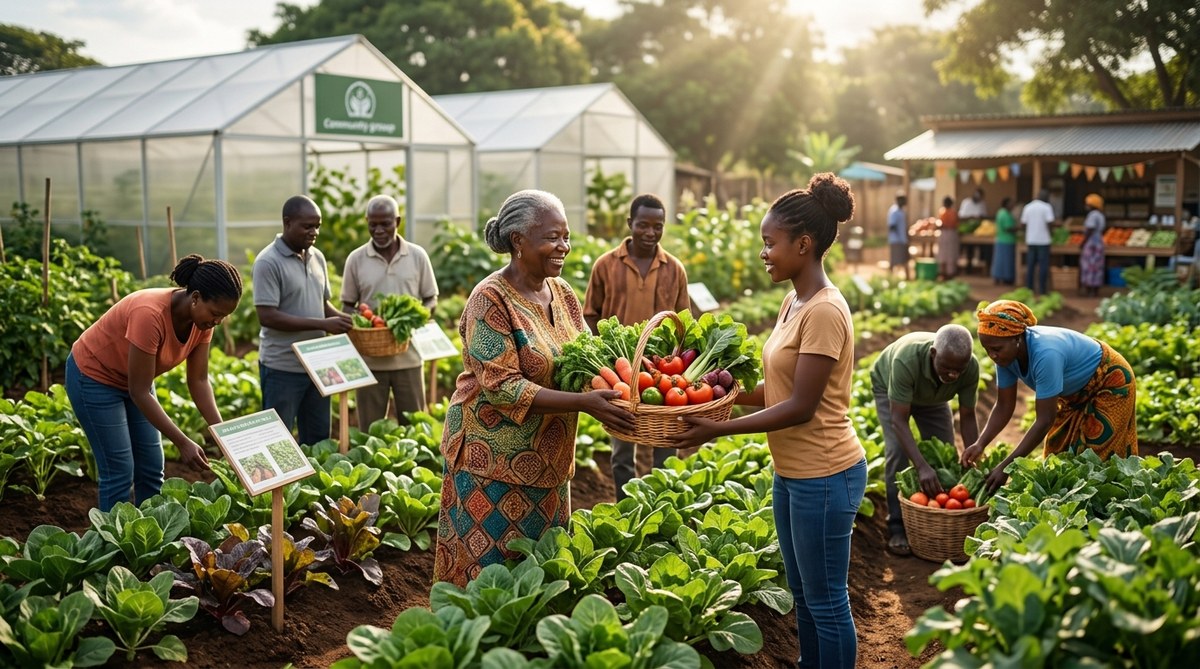
Local food initiatives are efforts that focus on strengthening community-based food systems. These range from urban gardens and cooperative markets to small-scale farming projects. Their strength lies in their ability to adapt to local needs, involve community members directly, and create sustainable access to nutritious food.
Supporting these efforts means recognizing their potential to address immediate needs while also building long-term resilience. When local communities control and sustain their food sources, they become less dependent on external aid and more capable of combating hunger on their own terms.
Practical ways to empower local food efforts
Empowering local food initiatives involves concrete actions that anyone can take. Here are three effective steps to support grassroots efforts:
-
Provide resources and training
Many community groups lack access to land, seeds, or knowledge. Offering resources like funding, tools, or educational workshops can boost their capacity. For example, NGOs can facilitate training programs on sustainable farming practices or urban gardening techniques. These efforts help communities grow nutritious food closer to home. -
Build local partnerships
Collaboration amplifies impact. Form partnerships among local farmers, schools, businesses, and community organizations. Such alliances can create farmers’ markets, shared gardens, or food cooperatives. These initiatives increase access to fresh produce and foster community ownership. -
Advocate for supportive policies
Policymakers play a vital role. Advocating for policies that support small farmers, urban agriculture, and food justice can remove barriers and provide necessary funding. Engage with local government to create incentives for community gardens or to establish land access programs.
Practical process for fostering local food initiatives
Implementing these steps can be streamlined into a straightforward process:
- Identify community needs and existing assets.
- Mobilize local stakeholders through meetings or online platforms.
- Secure funding or resources from grants, donors, or government programs.
- Provide training and capacity-building workshops.
- Establish partnerships for shared initiatives and outreach.
- Advocate for policies that sustain grassroots projects.
- Monitor progress and adapt strategies as needed.
Common pitfalls and how to avoid them
| Techniques | Mistakes to Avoid |
|---|---|
| Community engagement | Neglecting local voices or excluding marginalized groups. |
| Resource allocation | Overlooking long-term sustainability in favor of short-term gains. |
| Policy advocacy | Failing to build relationships with policymakers or understand local regulations. |
Expert advice
“Empowering local food initiatives requires patience and genuine collaboration. When communities feel ownership over their food systems, they become powerful agents of change, capable of ending hunger from within.” — Dr. Lisa Nguyen, Food Systems Specialist
Techniques that foster resilience and sustainability
Supporting grassroots food efforts is about more than providing immediate aid. It’s about building systems that can endure challenges such as climate change, economic downturns, or social upheavals.
Key techniques include:
- Promoting permaculture and regenerative farming methods to enhance soil health.
- Creating seed banks that preserve local varieties and provide resilience against crop failure.
- Establishing community-supported agriculture programs that connect producers directly with consumers.
Common mistakes to avoid
| Techniques | Mistakes to Avoid |
|---|---|
| Focusing only on immediate needs | Ignoring the importance of building local capacity. |
| Relying solely on external funding | Failing to develop sustainable, community-led models. |
| Overlooking cultural relevance | Implementing initiatives that don’t respect local traditions or preferences. |
Building a movement for lasting change
Encouraging community ownership is vital. When local leaders champion food projects, they inspire others and ensure continuity. This can involve training local farmers, establishing youth programs, or promoting local food festivals.
Furthermore, measuring impact helps refine efforts. Collect data on food security improvements, community participation, and environmental benefits. Sharing success stories motivates others and attracts further support.
Additional resources
- For innovative strategies tailored to diverse communities, see innovative strategies to combat hunger in vulnerable communities.
How you can support grassroots food initiatives
Supporting local efforts is accessible and impactful. Here are some practical approaches:
- Volunteer with community gardens or food banks.
- Donate tools, seeds, or funds to grassroots organizations.
- Advocate for policies that favor small-scale farmers and urban agriculture.
- Share success stories to inspire others and raise awareness.
Connecting efforts across regions and sectors
Collaboration across sectors enhances the reach and effectiveness of grassroots initiatives. Engage with local businesses, schools, and government agencies to create a network of support. This collective approach can lead to larger projects like regional food hubs or educational campaigns.
Building bridges between urban and rural communities fosters exchange of knowledge and resources, strengthening resilience in both settings.
Final thoughts: nurturing a movement to end hunger
Empowering local food initiatives is about more than growing food. It’s about nurturing community leadership, fostering sustainable practices, and building resilient systems. Every effort, from planting a garden to advocating for supportive policies, contributes to the larger goal of ending hunger.
Encourage your community to get involved. Whether through volunteering, sharing knowledge, or supporting local farmers, each action helps create a future where everyone has access to nutritious food.
Cultivating hope through community-driven solutions
Supporting grassroots food initiatives unlocks the true potential of communities. When people are empowered to lead their own solutions, the fight against hunger shifts from dependency to resilience. By working together, we can build a world where access to healthy food is a right, not a privilege.
Remember, meaningful change starts with small, intentional steps. Your support can help local efforts thrive and multiply, creating a ripple effect toward a hunger-free future.