How Community Gardens Are Tackling Food Deserts Across America
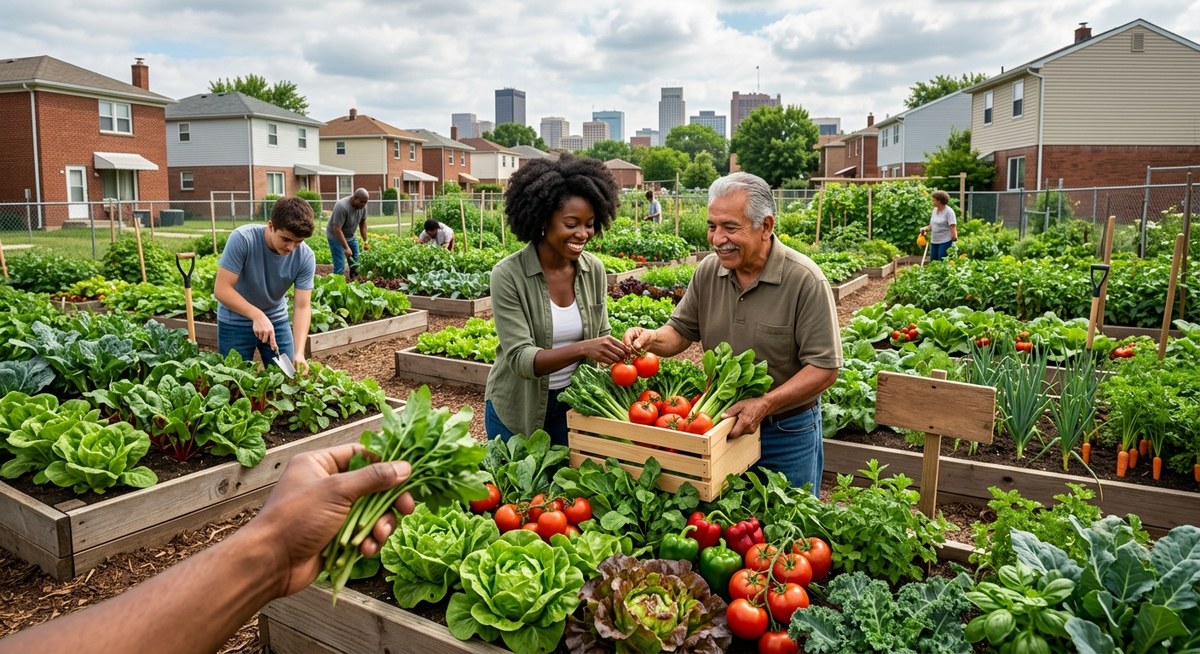
In a neighborhood where the nearest supermarket is a forty‑minute bus ride away, fresh produce becomes a luxury. That’s the reality for millions of Americans living in food deserts – areas without access to affordable, nutritious food. But something is changing. Vacant lots are turning into vibrant vegetable patches. Neighbors who once bought processed snacks are now trading tips on tomato seedlings. Community gardens are quietly reclaiming these food‑scarce zones, one raised bed at a time. And in 2026, the movement is stronger than ever.
Community gardens directly combat food deserts by increasing the availability of fresh produce in underserved neighborhoods, building local food skills, and creating social networks that strengthen food security. This article explains how these grassroots projects work, shares expert advice, and provides a step‑by‑step guide to starting your own garden in 2026.
Why Food Deserts Still Exist
Food deserts aren’t random. They are concentrated in low‑income areas and communities of color where grocery chains have closed or never opened. A 2025 USDA report showed that about 23 million Americans live in low‑income areas with limited food access. The result? Higher rates of diet‑related diseases like diabetes and heart problems. Residents often rely on corner stores that stock chips, soda, and frozen meals – but little to no fresh produce.
Community gardens step into that gap. By growing food where it’s needed most, they offer a direct, local solution that doesn’t depend on a supermarket chain’s bottom line.
The 2026 Community Garden Boom
Across the United States, city governments, nonprofits, and resident groups are expanding garden programs. In Detroit, the “Grow Detroit” initiative has turned more than 1,500 vacant lots into productive gardens since 2020. Los Angeles launched a “Food Equity Garden” grant in 2024 that funds 20 new community plots each year. Even smaller towns like Muncie, Indiana, have seen a 40% increase in community garden registrations since 2022.
The trend is fueled by three things: rising food prices, growing climate awareness, and a desire for community connection. People want to know where their food comes from. They want to reduce carbon footprints. And they want to meet their neighbors.
Five Ways Community Gardens Improve Food Access
Here are the primary mechanisms through which these gardens tackle food deserts directly.
- Direct produce availability – Garden plots yield hundreds of pounds of vegetables each season. In many programs, a portion of the harvest goes to local food banks or is sold at below‑market prices in the neighborhood.
- Skill‑building for long‑term change – When residents learn to grow their own food, they gain independence. They pass that knowledge to children and friends, creating a ripple effect.
- Economic relief – A 2024 study from Johns Hopkins found that families participating in community gardens saved an average of $150 per month on groceries. That’s significant in a food desert where budgets are tight.
- Social networks that support food security – Gardeners share tips, seeds, and extra harvests. They also build trust, which makes it easier to organize other food‑access efforts like farmers market vouchers or bulk buying clubs.
- Environmental benefits that boost local resilience – Green spaces reduce heat island effects and improve soil health. Rain gardens capture stormwater. All of this makes the neighborhood more liveable and less prone to disruptions that could cut food access.
Common Pitfalls and How to Avoid Them
Starting a community garden isn’t always easy. Below is a table of the most frequent problems and proven solutions.
| Common Pitfall | Solution |
|---|---|
| Poor soil quality (lead contamination, compaction) | Test soil first; use raised beds with clean soil and compost. |
| Lack of consistent water supply | Install rain barrels or partner with the city for a spigot tap. |
| Low volunteer turnout | Create a shared stake: assign plot responsibilities or host fun workdays with music and food. |
| Conflicts over harvest distribution | Set clear rules: everyone gets a share, with extra donated. |
| Winter downtime | Build hoop houses or cold frames to extend the growing season. |
Advice from a Community Garden Leader
Marisol Torres has led the “Southside Harvest” garden in Chicago since 2021. She has seen it all – from zucchini theft to city permit battles.
“The biggest mistake new groups make is trying to do everything themselves. You need allies: a local church that will let you use their water, a high school biology teacher who can help with soil testing, a retired carpenter who can build beds. Community gardens are about community first, gardening second. If you build relationships first, the food will follow.”
Her advice rings true. Successful gardens don’t just appear; they are built on trust, shared labor, and a clear agreement about who does what.
How to Start a Community Garden in Your Area
Ready to bring fresh produce to a food desert near you? Follow these steps. They are based on what works best in 2026.
- Assess the need – Talk to neighbors. Is there real interest? A garden with five dedicated families is better than one with fifty curious but uncommitted names.
- Find land – Vacant lots, church yards, school grounds, or even park strips can work. Contact your city’s planning department about leasing or adopting a lot.
- Secure resources – Apply for local grants (many cities now have food justice funds). Ask businesses for donations of lumber, seeds, and tools. Create a GoFundMe campaign.
- Test and amend soil – Especially important in urban areas. Use raised beds if soil contamination is a risk.
- Design for accessibility – Include wide paths for wheelchairs, raised beds for gardeners who can’t bend, and a shaded seating area.
- Set up a water system – Rain barrels, drip irrigation, and a shared hose connection.
- Create a governance structure – Decide how plots are assigned, how decisions are made, and how harvests are shared. Write it down.
- Launch with a planting day – Invite the whole neighborhood. Provide gloves, seeds, and snacks. Celebrate the start.
- Keep learning – Host workshops on composting, seed saving, and cooking with garden vegetables.
Resources to Help You Get Growing
You don’t have to start from scratch. Many organizations offer toolkits, funding, and mentorship. For a deeper understanding of broader food security strategies, check out our guide on innovative strategies to combat hunger in vulnerable communities. Another useful read is building resilient food systems to end global hunger, which connects local gardens to larger policy solutions.
If you are looking for models that already work, explore how community-led food security programs are transforming lives worldwide. These examples can inspire your own project.
A Greener Future Starts in Your Neighborhood
Community gardens are not a silver bullet for all the complexities of food deserts. They won’t replace the need for a full‑service grocery store or a robust social safety net. But they do something that bigger systems can’t: they put the power of fresh food back into the hands of the people who need it most.
Every tomato picked from a vine that you planted is a small victory over distance, cost, and inequality. Every seed saved and shared is a promise that next year will be even better. In 2026, the community garden movement is proving that when neighbors dig together, they don’t just grow vegetables – they grow health, connection, and hope.
So grab a trowel, call a few neighbors, and find a patch of earth. The first step is the hardest. The reward? A harvest that feeds more than your stomach.