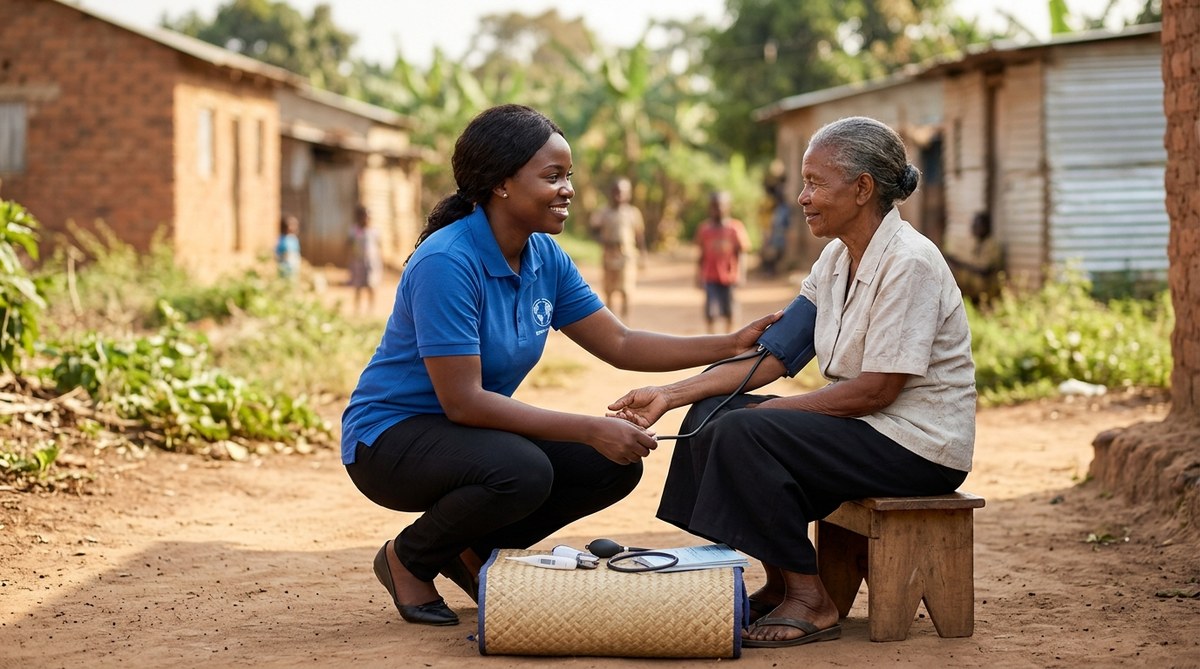
How Community Health Workers Are Transforming Healthcare Access in Underserved Areas
Community health workers (CHWs) are quietly revolutionizing healthcare access in underserved regions across the United States. These dedicated frontline professionals often come from the communities they serve, making them uniquely equipped to reach populations that traditional healthcare systems sometimes overlook. Their work helps bridge gaps in care, reduces health disparities, and fosters healthier communities. As the healthcare landscape evolves, understanding the vital role of community health workers becomes essential for public health professionals, policymakers, and advocates committed to equity and inclusion.
Community health workers are transforming healthcare access by reaching underserved populations, addressing social determinants, and fostering trust. Their role is critical in reducing disparities and building healthier communities across the nation.
Understanding The Impact of Community Health Workers
Community health workers serve as vital connectors between healthcare systems and the communities they serve. Their work extends beyond clinical settings to include education, advocacy, and social support. In underserved areas—where many residents face barriers like transportation, language, or cultural differences—CHWs provide a trusted voice and tailored assistance. This personalized approach helps improve health outcomes and ensures that essential services reach those who need them most.
How Community Health Workers Improve Healthcare Access
Community health workers are instrumental in reducing the gaps that prevent underserved populations from receiving proper care. Their efforts encompass several key activities that directly impact healthcare access and quality:
1. Building Trust and Cultural Competency
Many underserved communities are wary of formal healthcare systems due to past experiences or cultural differences. CHWs often come from the same backgrounds as their clients, which builds trust and facilitates open communication. Their cultural understanding allows them to explain health information in relatable ways, making complex topics more accessible.
2. Connecting People to Resources
CHWs actively help residents navigate healthcare systems. They assist with scheduling appointments, understanding insurance options, and accessing community resources like food assistance or housing programs. Their local knowledge helps ensure that individuals receive comprehensive support, addressing social determinants of health that influence medical outcomes.
3. Education and Prevention
Prevention is a cornerstone of effective healthcare. Community health workers provide education on chronic disease management, vaccination, nutrition, and healthy lifestyles. They tailor messaging to cultural norms and language preferences, increasing the likelihood of positive behavior change.
4. Addressing Social Determinants of Health
Healthcare does not occur in a vacuum. Factors such as housing, education, employment, and safety significantly influence health. CHWs identify social barriers and work with local agencies to address these issues, creating a more holistic approach to health.
5. Providing Emotional and Social Support
Many underserved individuals face mental health challenges or social isolation. CHWs offer emotional support, listen without judgment, and connect clients to mental health services when needed. This human connection can make a crucial difference in engagement and adherence to care plans.
Practical Steps to Strengthen Community Health Worker Programs
Implementing successful community health worker initiatives involves strategic planning. Here are some practical processes to consider:
-
Recruit from within the community
Identify individuals who understand local culture, language, and needs. Their familiarity fosters trust and enhances communication. -
Provide comprehensive training
Equip CHWs with knowledge about healthcare systems, cultural competence, and relevant health topics. Ongoing education keeps their skills sharp. -
Establish clear roles and protocols
Define responsibilities, boundaries, and reporting structures. This clarity ensures effective collaboration with healthcare providers. -
Secure sustainable funding
Invest in programs through government grants, healthcare organizations, or community foundations to ensure longevity. -
Measure impact regularly
Track metrics such as appointment adherence, health outcomes, and community feedback. Use data to refine strategies.
Techniques and Common Mistakes
| Techniques | Mistakes to Avoid |
|---|---|
| Engaging community leaders early | Overloading CHWs with tasks |
| Customizing outreach materials | Ignoring cultural nuances |
| Providing ongoing training and supervision | Underfunding or lack of resources |
| Building strong partnerships with clinics | Isolating CHWs from healthcare teams |
The Power of Trust and Community Engagement
“Community health workers are trusted messengers. Their strength lies in genuine relationships, which open doors to care that might otherwise remain closed.” – Dr. Lisa Martinez, public health expert
These trusted relationships are often what make or break a program’s success. When community members see CHWs as allies, they are more likely to seek help, stay engaged, and adhere to health recommendations. This trust translates into measurable improvements in public health metrics, especially in areas where disparities are most pronounced.
Success Stories From the Field
In many cities across the country, community health worker programs have led to tangible results. For example, in parts of the Midwest, CHWs helped reduce emergency room visits among diabetic patients by providing education and support. In rural Appalachia, CHWs facilitated access to maternal health services, leading to healthier pregnancies and babies. These stories highlight the potential of well-structured programs to transform lives.
How Policymakers Can Support Community Health Workers
To maximize the impact of community health workers, policymakers need to recognize their value. This can involve:
- Creating sustainable funding streams
- Incorporating CHWs into healthcare teams and budgets
- Developing standardized training and certification programs
- Promoting policies that address social determinants of health
Supporting CHWs aligns with broader efforts to improve health equity and reduce disparities. It empowers communities to take charge of their health and creates a more inclusive healthcare system.
Moving Toward Equitable Healthcare Access
Expanding the reach of community health workers is a practical step toward achieving health equity in the United States. Their unique position at the intersection of community and healthcare allows them to address barriers that otherwise perpetuate disparities. As more regions recognize their value, these programs will become integral to sustainable, community-centered care.
How You Can Get Involved
Whether you’re a public health professional, policymaker, student, or community advocate, supporting community health worker initiatives can be impactful. Consider advocating for increased funding, participating in training programs, or collaborating with local organizations. Every effort helps build healthier, more equitable communities.
Building a Future with Community-Centered Care
Investing in community health workers means investing in the health of underserved populations. Their work fosters trust, bridges gaps, and creates pathways to better health outcomes. As the awareness of their importance grows, so does the potential for meaningful change. Embrace the opportunity to support these vital caregivers and help shape a healthcare system that truly serves everyone.
By recognizing and strengthening the role of community health workers, we can make healthcare accessible for all. Their dedication not only transforms individual lives but also builds resilient, healthier communities across the nation.