Top Strategies for Scaling Up Education Access to Fight Poverty Globally
Sharing quality education with those who need it most can transform lives and communities. Yet, achieving widespread access remains a complex challenge. Many regions face barriers like lack of infrastructure, limited resources, and social inequalities. Addressing these issues requires innovative, scalable solutions that can adapt to local contexts. This article explores practical strategies to expand educational opportunities globally, helping policymakers, NGOs, and development professionals make a real difference in reducing poverty through education.
Scaling education access is vital in fighting poverty. Implementing strategic, adaptable approaches can overcome barriers, reach underserved populations, and foster sustainable development worldwide. Collaboration, innovation, and community involvement are key to success in expanding educational opportunities globally.
Understanding the importance of scaling education access
Expanding educational opportunities is more than just building schools or distributing materials. It involves creating systems that can grow and adapt to meet the needs of diverse communities. When access to education increases, so does the potential for individuals to escape poverty. Education empowers people with skills, knowledge, and confidence to improve their lives and contribute to society.
Global efforts have shown that when children and adults have access to quality learning, communities see reductions in poverty levels, better health outcomes, and economic growth. But scaling these benefits requires deliberate strategies that can be replicated and tailored to local contexts.
Practical steps to expand educational opportunities
- Develop scalable infrastructure and technology solutions
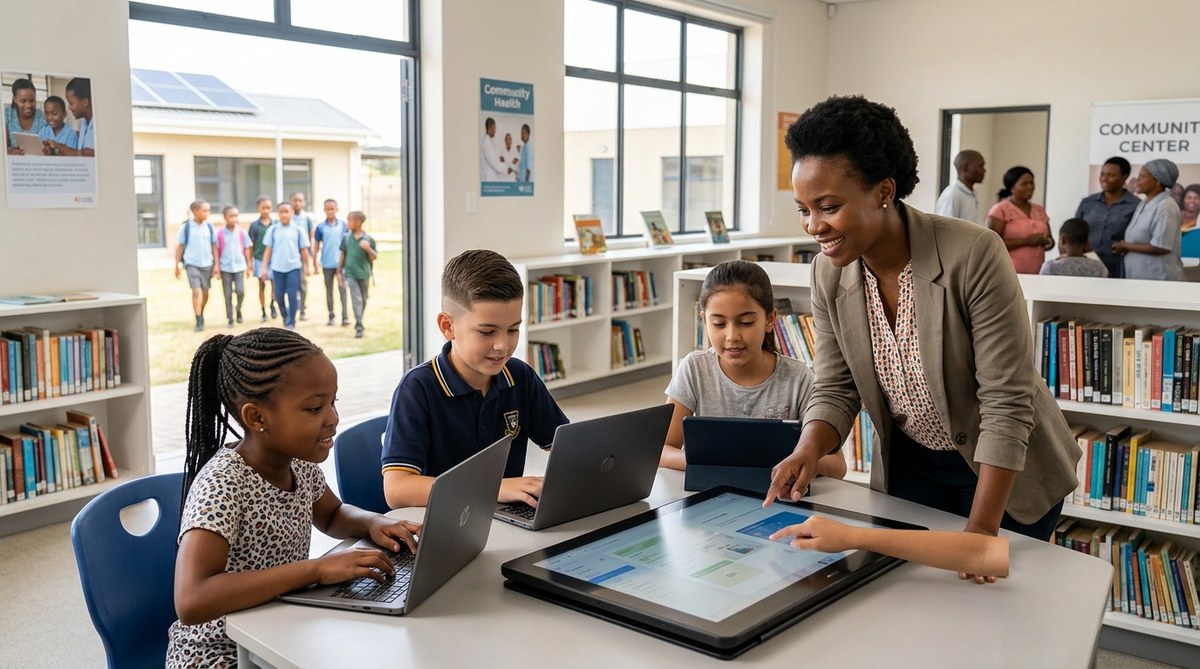
Building physical schools in remote areas remains essential, but technology offers powerful opportunities for expansion. Digital platforms can deliver lessons to regions where constructing traditional schools is difficult. Mobile learning apps, radio broadcasts, and online courses can reach learners in villages and refugee camps.
Investing in reliable internet and devices is crucial. For example, solar-powered tablets have been successfully used in off-grid communities. Such innovations allow education to bypass physical barriers and reach a broader population.
- Foster partnerships and community involvement
No single organization can solve the challenge alone. Collaborations between governments, NGOs, local leaders, and the private sector create a stronger foundation for scaling education. Community involvement ensures programs are culturally appropriate and meet actual needs.
Engaging local teachers, parents, and community groups helps foster ownership and sustainability. For instance, training community members as educators or facilitators can extend the reach of formal education and create local champions for learning.
- Implement adaptable and inclusive curricula
A one-size-fits-all approach often fails in diverse settings. Tailoring curricula to reflect local languages, customs, and economic contexts ensures relevance. Flexible learning pathways, including informal education and vocational training, can provide immediate benefits while building long-term skills.
Using data and feedback mechanisms allows programs to adapt quickly. For example, monitoring student progress can highlight gaps and inform targeted interventions, making scaling efforts more effective.
Common techniques and pitfalls in scaling education
| Techniques | Mistakes to Avoid |
|---|---|
| Leveraging technology for remote access | Relying solely on digital solutions without infrastructure |
| Building partnerships across sectors | Ignoring local cultural and social contexts |
| Prioritizing inclusive, flexible curricula | Implementing rigid programs that do not adapt to needs |
| Training local educators and community leaders | Underestimating the importance of ongoing support |
Expert advice on expanding education access
“Scaling education is not just about increasing numbers. It’s about creating systems that are adaptable, inclusive, and community-driven. When learners see relevance and support, they are more likely to succeed.” — Dr. Maria Lopez, education development specialist
Addressing common challenges in scaling education
While the potential impact is significant, scaling education faces hurdles like funding shortages, political instability, and logistical complexities. To navigate these challenges:
- Prioritize sustainable funding models, including public-private partnerships.
- Advocate for policies that support inclusive education.
- Use data-driven approaches for continuous improvement.
- Focus on building local capacity to maintain programs long-term.
How to measure success in scaling efforts
Tracking progress is vital. Use clear indicators such as enrollment rates, literacy levels, and retention rates. Qualitative feedback from learners and communities provides insights into the relevance and effectiveness of programs.
Regular assessment helps refine strategies and demonstrate impact to funders and stakeholders. Engaging communities in evaluation ensures programs stay aligned with their evolving needs.
Why inclusive education matters in poverty reduction
Inclusive education ensures marginalized groups, including girls, children with disabilities, and refugees, are part of the learning process. Removing barriers for these populations magnifies the benefits of scaling efforts, leading to more equitable development.
When everyone has access to education, societies become more resilient. The ripple effects include higher household incomes, improved health, and reduced social inequalities.
Moving forward: a call to action
Expanding access to education on a global scale is ambitious but achievable. It requires collaboration, innovation, and a deep understanding of local contexts. Policymakers and development professionals must prioritize adaptable, inclusive strategies that can reach those most in need.
Investing in education is investing in a future free from poverty. By building resilient systems that can grow and evolve, we can create lasting change for millions worldwide.
A practical way to start making a difference
Begin by identifying gaps in your local or regional education systems. Engage stakeholders and explore innovative solutions like digital learning or community-led programs. Small steps today can lead to large-scale impacts tomorrow.
Together, we can make scaling education access a universal goal and help lift communities out of poverty through the power of learning.