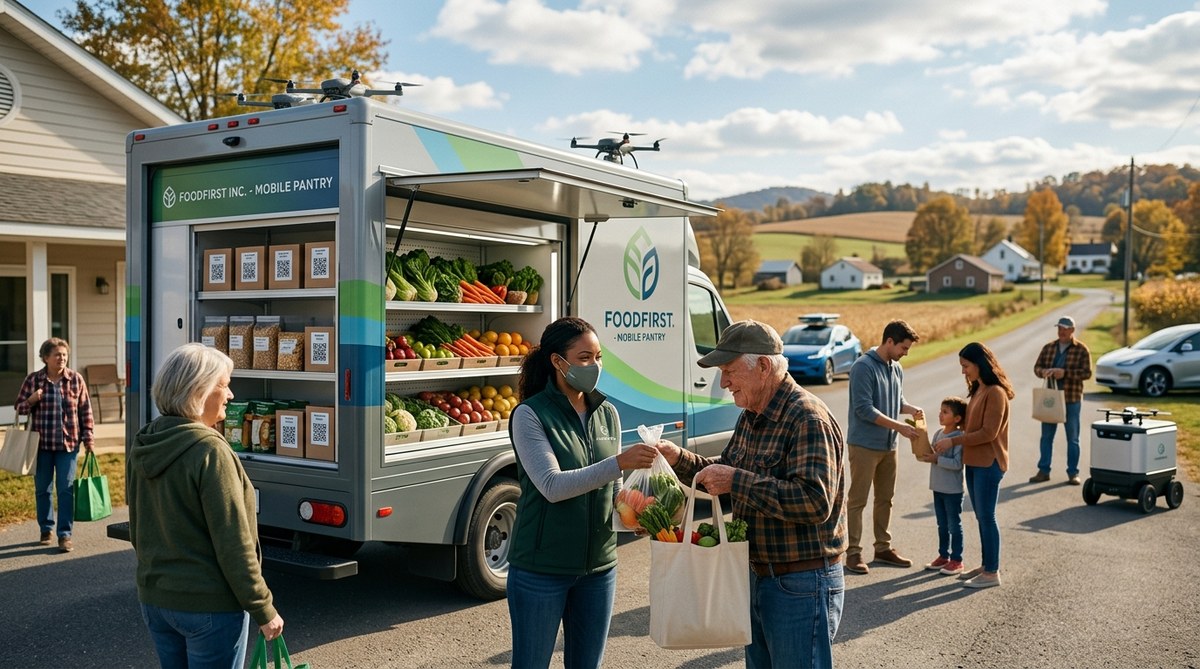
How Mobile Food Pantries Are Reaching Rural Communities in 2026
The drive from the nearest grocery store takes forty five minutes. The closest food bank is in the next county. For millions of Americans living in rural areas, this is not a temporary inconvenience. It is a daily barrier to fresh, affordable food. In 2026, mobile food pantries have become a lifeline for these communities. They are not just vans with boxes of produce. They are carefully planned operations that bring dignity, choice, and nutrition to places where brick and mortar stores cannot survive.
Mobile food pantries in 2026 are closing the rural food access gap through strategic scheduling, local partnerships, and technology. This article covers the core steps to launch a successful program, common mistakes to avoid, and how data driven decisions improve outcomes. Whether you are a food bank director or a community organizer, these insights can help you reach more families with less waste.
Why Traditional Food Banks Struggle in Rural Areas
Rural communities face a unique set of challenges. Population density is low. Distances between homes are large. A single food bank might need to serve families spread across hundreds of square miles. Gas costs eat into tight budgets. Volunteers are harder to find. And the people who need help often work jobs that make it hard to visit a central location during set hours.
A fixed site food bank in a small town can only do so much. If you live twenty miles outside that town, and you do not own a reliable car, that food bank might as well be on the moon. This is where mobile food pantries step in. They bring the pantry to the people.
How Mobile Food Pantries Work in 2026
A mobile food pantry is essentially a grocery store on wheels. It is usually a large truck or a retrofitted bus stocked with shelf stable goods, fresh produce, dairy, and sometimes frozen meat. In 2026, many programs also carry culturally relevant foods and items for specific dietary needs like low sodium or gluten free options.
The process is simple but requires coordination. Here is a numbered list of the practical steps most successful programs follow:
-
Map the region and identify gaps. Use data from local schools, health clinics, and USDA food access maps to find areas with the highest need. Look for clusters of families who live more than ten miles from a grocery store.
-
Build a reliable schedule. Consistency matters. If you show up at the same community center parking lot every second Tuesday at 3 PM, families will plan around it. In 2026, many programs use text message alerts and community Facebook groups to remind people of the next stop.
-
Stock with dignity and choice. Allow clients to select their own items rather than handing out pre packed boxes. This reduces waste and respects personal preferences. Some mobile pantries now use a point system so families can choose what they need most.
Common Pitfalls and How to Avoid Them
Even well intentioned programs can stumble. The table below outlines three frequent mistakes and the straightforward fixes that work in 2026.
| Mistake | Why It Hurts | The Fix |
|---|---|---|
| Showing up at inconsistent times | Families stop trusting the service | Set a fixed bi weekly schedule and stick to it, even if turnout is low at first |
| Bringing only shelf stable items | Clients miss fresh produce and protein | Partner with local farms or food rescue programs for fresh fruits, vegetables, and eggs |
| Ignoring language and cultural barriers | People feel unwelcome or confused | Hire bilingual staff or volunteers and stock foods that reflect the local community |
The Role of Technology in 2026
Mobile food pantries are not low tech operations anymore. In 2026, route planning software helps drivers avoid dead ends and unpaved roads. Inventory management apps track what is popular and what gets left behind. Some programs even use a simple online reservation system so families can pre order items and guarantee they get what they need.
Technology also helps with measurement. Instead of guessing how many people you served, you can track actual numbers. This data is powerful when applying for grants or asking for donations. It shows funders exactly how many households received fresh produce each month.
“The biggest shift we have seen in 2026 is the move from charity to service. People do not want handouts. They want access. Mobile pantries that treat clients like customers, with choice and respect, see the highest return rates and the lowest food waste.” – Maria Santos, Rural Food Access Coordinator
What to Stock for Maximum Impact
A well stocked mobile pantry does not need to carry everything. Focus on variety and nutrition. Here is a bulleted list of high impact categories to include:
- Fresh produce like apples, oranges, carrots, and leafy greens
- Protein sources such as canned beans, peanut butter, eggs, and frozen chicken
- Whole grains including brown rice, oats, and whole wheat pasta
- Dairy or dairy alternatives like milk, yogurt, and shelf stable almond milk
- Basic cooking staples such as cooking oil, salt, and spices
- Baby items including formula, diapers, and baby food
Avoid loading up on sugary cereals, soda, and highly processed snacks. They may be cheap, but they do not support long term health. In 2026, many programs report that clients specifically ask for fresh vegetables and lean protein over junk food.
Building Community Partnerships
No mobile pantry succeeds alone. The best programs in 2026 lean heavily on local partners. Churches provide parking lots. Schools spread the word through backpack programs. Local farms donate seconds produce that would otherwise go to waste. Health clinics offer space for nutrition education tables alongside the pantry.
One powerful model is the co location model. The mobile pantry parks at a school during pickup time. Parents can grab groceries while waiting for their children. This removes the stigma of visiting a food bank and makes it part of the normal routine.
Measuring Success Beyond Pounds Distributed
It is easy to count pounds of food. It is harder to measure whether people are actually eating it. In 2026, successful programs use follow up surveys and community feedback sessions. They ask simple questions: Did you use everything you took? What did your family enjoy most? What went to waste?
This feedback loop is critical. It prevents the pantry from becoming a dumping ground for unwanted items. It also builds trust. When clients see their suggestions reflected in the next month’s stock, they feel heard.
A Model That Works in Small Towns
Consider a program in rural eastern Oregon. The pantry serves five towns spread across a two hour driving loop. Each stop lasts 90 minutes. Families arrive by car, by bicycle, and sometimes on foot. The program uses a volunteer team of retired teachers and local high school students. They offer a choice model where each family picks 15 items from a set list.
In 2026, this pantry serves over 400 households per month. Food waste is under 3 percent. The secret is not fancy equipment. It is consistency, local buy in, and listening to what people actually want.
How to Start Your Own Mobile Pantry
If you are a food bank director or a community organizer looking to launch a mobile pantry in 2026, start small. You do not need a custom built truck. A refrigerated van and a few volunteers can serve 50 families per trip. Focus on one route. Learn the needs of that community. Then expand.
For more on building a strong foundation, read about innovative strategies to combat hunger in vulnerable communities. You can also look at how community-led food security programs are transforming lives worldwide for inspiration on partnership models.
The Future of Rural Food Access
Mobile food pantries are not a stopgap. In 2026, they are becoming a permanent part of the food system. As more programs adopt data driven scheduling and client choice models, the gap between rural and urban food access continues to shrink. The goal is not just to feed people. It is to build a system where no one has to drive an hour for a head of lettuce.
If you are ready to bring this model to your community, start with a single route. Listen to the families you serve. Adjust based on what you learn. The work is hard, but the impact is immediate and real. Every family that walks away with fresh groceries is one less family worrying about dinner.