Top Ways Donations Accelerate Healthcare Access and Poverty Reduction
Donations play a pivotal role in shaping healthier, more equitable communities around the world. When you give to reputable charities, your contribution can directly increase access to essential healthcare services and support poverty alleviation efforts. This isn’t just about charity; it’s about creating lasting change that empowers individuals and lifts entire communities out of hardship. Understanding how donations make this possible helps donors target their giving for maximum impact and fosters a deeper connection to global humanitarian efforts.
Charitable donations improve healthcare access by funding clinics, medicines, and health programs, which in turn reduces poverty by enabling people to work, learn, and thrive. Effective giving transforms lives and builds resilient communities worldwide.
How donations improve healthcare access
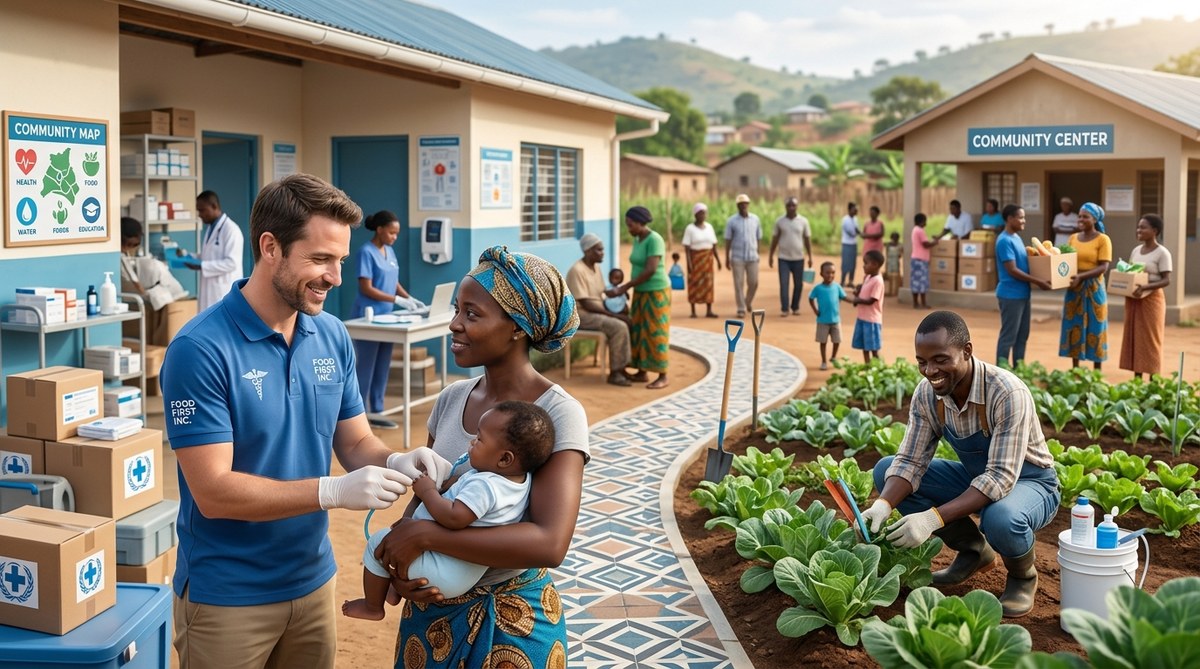
Access to healthcare is a fundamental human right, yet millions of people lack basic services. Donations are critical because they fund the infrastructure, staff, medicines, and training necessary to deliver care to underserved populations. Charities often operate clinics in remote or impoverished areas where government resources are limited. Your contributions can help establish mobile health units that reach isolated communities, support vaccination drives, and provide essential treatments for preventable diseases.
For example, many health-focused nonprofits rely on donations to purchase life-saving medicines and equipment. When donors contribute, these organizations can expand their reach and improve the quality of care provided. This can mean the difference between life and death for children with malnutrition or adults battling chronic illnesses without access to regular treatment.
The link between donations and poverty reduction
Healthcare accessibility is closely intertwined with poverty. When people are ill and cannot access treatment, they often face a cycle of hardship. Medical bills can drain savings, push families into debt, or force them to abandon productive work. By funding healthcare initiatives, donations help break this cycle.
Supporting health programs that focus on prevention and early intervention can significantly reduce the long-term costs of illness. When communities have access to vaccinations, maternal health services, and treatment for infectious diseases, they become healthier and more economically stable.
Here are some practical ways donations contribute to poverty alleviation:
- Funding healthcare infrastructure such as clinics and laboratories.
- Supporting health education programs that promote hygiene and disease prevention.
- Providing medicines and medical supplies to underserved areas.
- Training healthcare workers to deliver quality services.
- Supporting emergency response efforts during outbreaks or crises.
How donors can make the biggest impact
To ensure your donations make a real difference, consider these steps:
- Research reputable organizations that focus on healthcare access and poverty reduction. Look for transparency, a proven track record, and community-based approaches.
- Target your giving towards programs that address the specific needs of the community you want to help.
- Support sustainable projects that build local capacity, such as training healthcare workers or establishing clinics.
- Participate in matching gift programs or recurring donations to sustain long-term impact.
- Advocate for policy change by supporting organizations that influence health and social policies.
Efficient giving also involves understanding common techniques and pitfalls. Here’s a quick table to clarify:
| Technique | Mistake to Avoid |
|---|---|
| Funding local clinics and health programs | Overlooking community involvement |
| Supporting preventive health education | Focusing solely on emergency response |
| Investing in training healthcare workers | Ignoring the importance of local leadership |
| Providing medicines and supplies | Donating without understanding community needs |
Practical steps to increase your impact
- Identify proven charities that prioritize healthcare and poverty alleviation.
- Set clear goals for your donations, such as supporting maternal health or infectious disease control.
- Combine donations with advocacy to influence policy changes that improve healthcare systems.
- Volunteer your time or expertise if possible, to complement your financial support.
- Share your knowledge with others to encourage more people to give effectively.
“The true power of a donation lies in its ability to address root causes. When we fund sustainable health initiatives, we help communities become resilient and independent.” — Global health expert
Conclusion: Making your giving count
Supporting healthcare access and reducing poverty through donations is more than a generous gesture. It’s a strategic way to foster lasting change. By directing your giving toward impactful programs, you help break barriers to health and economic stability. Remember, every contribution, no matter the size, carries the potential to transform lives. When you give thoughtfully, you become part of a global movement toward health equity and poverty reduction.
How to get started with impactful giving
Begin by researching organizations committed to sustainable health improvements. Consider setting up recurring donations to sustain ongoing projects. Engage with local communities to understand where your support can be most effective. Your contributions can help build clinics, train health workers, and fund health campaigns that reach vulnerable populations. Every step you take toward informed giving amplifies your impact and furthers the mission of creating healthier, more equitable communities worldwide.
Feel inspired to make a difference today. Your generosity can turn the tide for countless families in need of healthcare and hope.