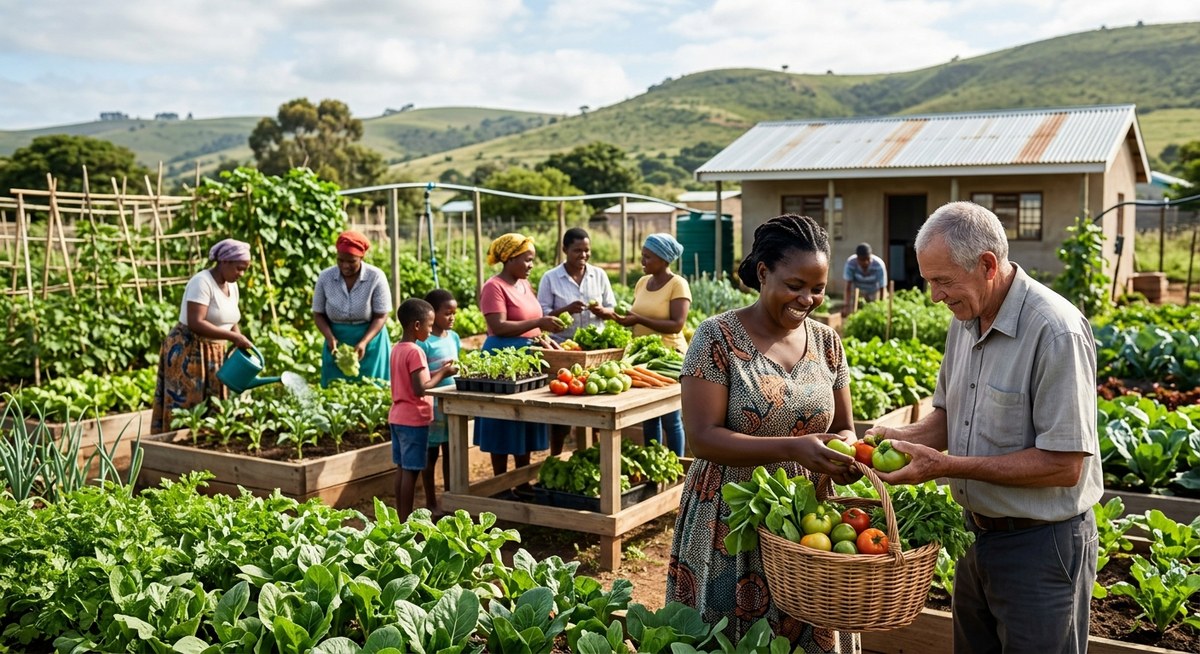
How Community-Led Food Security Programs Are Transforming Lives Worldwide
Communities around the globe face persistent challenges in accessing enough nutritious food. Traditional top-down approaches often fall short because they overlook local knowledge, priorities, and resources. Community-led food security programs are changing this narrative. They put local people at the center of solutions, fostering sustainable change that lasts. These efforts are proving to be powerful tools in addressing hunger, building resilience, and strengthening social bonds.
Community-led food security programs prioritize local knowledge and resources, creating sustainable solutions that empower communities, reduce hunger, and foster resilience worldwide.
How community-led food programs are reshaping food security
Community-led food security programs are fundamentally different from traditional aid models. They focus on empowering local populations to identify their needs and develop tailored strategies. This bottom-up approach ensures that solutions are culturally appropriate, sustainable, and directly address the root causes of food insecurity.
Successful programs often involve local farmers, women, youth, and elders working together. They prioritize building local capacity, improving access to land and inputs, and developing resilient food systems. These initiatives go beyond immediate relief, aiming for long-term independence and self-sufficiency.
The core elements of effective community-led initiatives
To understand how these programs work, it helps to look at their common features:
- Community participation: Local residents are involved in decision-making and implementation.
- Capacity building: Training and resources help communities improve agricultural practices.
- Resource mobilization: Local assets, including land and labor, are harnessed.
- Partnerships: Collaboration with NGOs, government agencies, and private sectors enhances impact.
- Innovation: Adaptation of traditional practices with new techniques increases productivity and sustainability.
Practical steps to develop community-led food security programs
Creating an effective community-led food security project involves several key processes:
- Engage the community early: Conduct participatory assessments to understand needs, strengths, and priorities. Listening to local voices ensures the program aligns with community aspirations.
- Build local leadership: Train community members to lead initiatives. Empowered local leaders inspire participation and sustain momentum.
- Leverage local resources: Identify and utilize available assets like land, water, and knowledge. This reduces dependency on external aid and fosters ownership.
- Foster collaboration: Establish partnerships with local organizations, government bodies, and donors. Shared goals and resources expand reach and effectiveness.
- Monitor and adapt: Regularly evaluate progress and involve the community in refining strategies. Flexibility allows programs to respond to changing conditions.
Practical tips for success
- Use participatory mapping to identify local food sources.
- Incorporate traditional knowledge into modern farming techniques.
- Encourage women and youth involvement for diverse perspectives.
- Develop local markets to support small-scale farmers.
- Promote crop diversification to improve resilience.
Techniques and common pitfalls
| Techniques | Mistakes to Avoid |
|---|---|
| Community mapping and planning | Ignoring local voices |
| Training on sustainable practices | Relying solely on external inputs |
| Establishing local cooperatives | Overlooking cultural preferences |
| Using local seed varieties | Introducing unfamiliar crops without support |
| Monitoring through community feedback | Neglecting ongoing evaluation |
“Empowering communities to lead their own food security solutions creates resilience that external aid alone cannot achieve,” says Dr. Maria Lopez, a food systems expert. Local ownership ensures solutions are relevant and lasting.
Examples of community-led food security in action
Across the world, inspiring stories illustrate how these programs change lives:
- In Kenya, women farmers formed cooperatives that improved access to markets and sustainable seeds. Their collective effort increased household food security.
- In Bangladesh, community groups adopted flood-resistant crop varieties and water management techniques, reducing vulnerability to climate impacts.
- In Bolivia, indigenous communities revived traditional farming practices, maintaining biodiversity and ensuring food sovereignty.
These examples highlight the importance of local knowledge and collaboration in creating resilient food systems.
Why community-led programs matter in today’s world
As global challenges like climate change, economic instability, and population growth strain food systems, community-led solutions offer a way forward. They foster local resilience by building on existing strengths and encouraging collective action.
Research shows that programs rooted in community participation tend to be more sustainable and effective than top-down interventions. They create social cohesion, empower marginalized groups, and promote innovation from within.
How to support community-led food security efforts
If you’re a researcher, policy maker, or advocate, consider these actions:
- Advocate for policies that prioritize community participation.
- Support funding mechanisms that enable local leaders to implement solutions.
- Share successful models to inspire replication elsewhere.
- Invest in capacity-building programs that strengthen local skills.
- Promote awareness of the importance of community-driven approaches in food security debates.
Final thoughts on fostering resilient food systems
Community-led food security programs are more than just a strategy—they are a movement that puts people at the heart of solutions. By respecting local knowledge, resources, and leadership, these initiatives create lasting change. They serve as a reminder that sustainable food systems are built from within communities, not imposed from outside.
Encouraging participatory, locally driven approaches can lead to healthier, more resilient societies. Whether you are involved in research, policy, or community activism, supporting these efforts can make a real difference. Starting with small steps, like engaging community members or sharing successful stories, can help nurture the seeds of resilience everywhere.
Building resilient futures through community-led food solutions
Focusing on community-driven approaches offers a pathway to lasting food security. It’s about empowering local populations to take charge of their future. As you consider how to contribute, remember that listening and collaborating are the first steps toward meaningful impact. Together, we can help transform food systems into engines of resilience and equity.