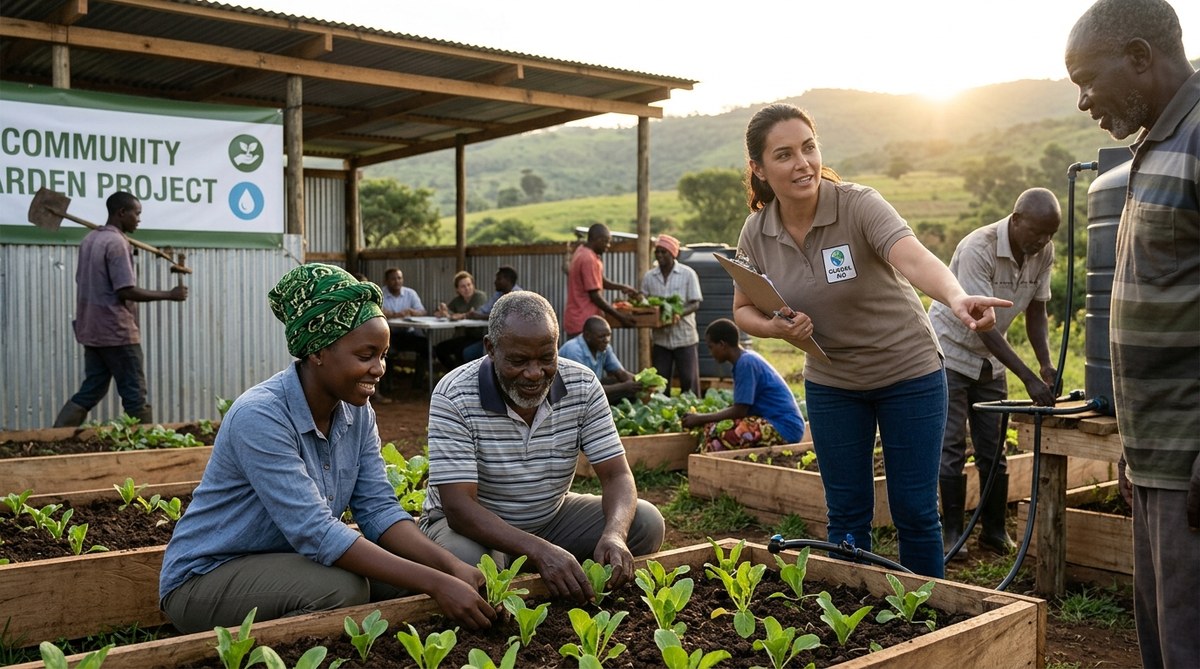
Empowering Communities Through Effective Global Aid Programs
Empowering communities through global aid programs is more than just providing immediate relief. It’s about building resilience, fostering local leadership, and ensuring sustainable growth. When aid initiatives embrace community empowerment, they create lasting change that benefits everyone involved. This approach transforms aid from a temporary fix into a pathway for long-term development. Whether you work in international development, are a policymaker, or a student interested in humanitarian efforts, understanding how to effectively empower communities is vital.
Community empowerment in global aid involves engaging local voices, building capacity, and fostering sustainable solutions. These strategies lead to resilient communities capable of managing their own development long-term.
Why community empowerment matters in global aid
Global aid efforts often focus on addressing urgent needs like food security, health, and infrastructure. While these are essential, they can fall short without empowering communities to take ownership of their development. When local people are involved in decision-making, solutions are more relevant and sustainable. Empowerment encourages communities to identify their priorities, leverage local resources, and develop skills that last beyond the aid period.
Furthermore, community involvement helps to build trust. Aid workers and organizations become partners rather than outsiders imposing solutions. This partnership creates a sense of ownership and responsibility that fuels ongoing progress. Empowered communities are more resilient to future shocks, whether economic, environmental, or social.
Building blocks of effective community empowerment
Creating meaningful change requires thoughtful strategies. Here are some core elements that underpin successful community empowerment programs:
- Participatory planning: Engage local residents from the start. Their insights and experiences provide valuable guidance.
- Capacity building: Offer training and resources that strengthen skills in areas like agriculture, health, or entrepreneurship.
- Local leadership development: Support community members to become leaders, advocates, and decision-makers.
- Inclusive approaches: Ensure marginalized groups like women, youth, and minorities have a voice.
- Sustainable practices: Promote solutions that communities can maintain after aid programs end.
Practical steps to empower communities through global aid programs
Implementing community-centered aid involves a clear process. Here’s a simple five-step approach:
- Assess community needs and assets: Conduct participatory assessments to understand local priorities, resources, and challenges.
- Design inclusive programs: Create initiatives that reflect community input, ensuring they address real needs and leverage local strengths.
- Build local capacity: Train community members in skills that support their development goals.
- Support local leadership: Facilitate leadership training and create platforms for community voices to be heard.
- Monitor, evaluate, and adapt: Continuously involve the community in tracking progress and making adjustments. Celebrate successes and learn from setbacks.
This process ensures aid is not just delivered but integrated into the community’s fabric, fostering ownership and sustainability.
Techniques that foster genuine empowerment
Effective aid programs incorporate specific techniques. Here are some proven methods:
- Participatory Rural Appraisal (PRA): Engages locals in mapping, ranking, and analyzing their environment.
- Asset-Based Community Development (ABCD): Focuses on existing strengths and resources rather than deficiencies.
- Peer-to-peer learning: Encourages community members to share knowledge and support each other.
- Microfinancing: Provides small loans to empower entrepreneurs and small businesses.
- Community committees: Establish local groups responsible for overseeing projects and ensuring accountability.
Common pitfalls and how to avoid them
| Mistake | Technique to avoid it | Correct approach |
|---|---|---|
| Imposing solutions without consultation | Top-down planning | Participatory planning with community input |
| Focusing solely on immediate needs | Short-term interventions | Integrate capacity building and sustainability |
| Ignoring marginalized groups | Exclusive programs | Inclusive strategies that empower all voices |
| Overlooking local knowledge | External expertise only | Combine local insights with technical support |
Expert advice on empowering communities
“Community empowerment is about shifting power. It’s not just about giving aid but about enabling communities to become architects of their own future.” — Dr. Maria Lopez, international development specialist
Measuring success in community empowerment
Tracking progress can be challenging but essential. Key indicators include:
- Increased local leadership participation
- Improved access to resources and services
- Enhanced skills and capacities
- Greater community cohesion and decision-making influence
- Sustained economic or social improvements after project completion
Regular feedback sessions and participatory evaluations ensure programs remain aligned with community needs.
The role of partnerships in amplifying impact
Partnering with local organizations, governments, and civil society strengthens aid efforts. These collaborations help scale successful models and embed initiatives into local systems. When communities are at the core of these partnerships, programs are more likely to be accepted and sustained.
For example, working closely with community groups ensures that interventions are culturally appropriate and supported by local leaders. These relationships foster trust and open communication, vital for long-term success.
How to support community-led development
Supporting communities to lead their development journey involves:
- Providing resources tailored to local contexts
- Building local skills and leadership
- Encouraging innovation and experimentation
- Respecting and integrating indigenous knowledge
- Ensuring ongoing community participation in decision-making
This approach shifts aid from being a temporary fix to becoming a catalyst for lasting change.
Connecting community empowerment with broader development goals
Empowering communities aligns with global efforts such as the Sustainable Development Goals (SDGs). Goals like ending poverty, ensuring quality education, and promoting good health all benefit when local voices guide development strategies. Strong communities are the foundation of resilient nations.
By fostering local ownership, aid initiatives become more effective and create ripple effects that extend beyond individual communities. They inspire other regions to adopt similar approaches and build a global culture of empowerment.
Moving forward with community-centered aid
Implementing community empowerment strategies is an ongoing journey. It requires patience, flexibility, and genuine respect for local agency. Every community has unique assets and challenges, so tailor programs accordingly. Remember, the most impactful aid invests in people and their potential.
If you are involved in designing or supporting aid programs, prioritize listening and collaboration. Small, consistent steps can lead to significant, lasting change.
How you can support empowering communities through global aid
Whether you work directly in aid or advocate for effective development, your role is crucial. Promote policies that prioritize community involvement. Support organizations that use participatory methods. Share success stories that highlight local leadership. Every effort contributes to a future where communities are truly empowered.
By fostering environments where local voices matter, we can help create a world where development is driven by those who know their needs best.
Embracing community-led change for a brighter future
Empowering communities through global aid programs is about more than delivering resources. It’s about trust, collaboration, and shared responsibility. When communities lead their own development, solutions are more relevant, sustainable, and impactful. Take inspiration from successful models and remember that lasting change begins with listening, supporting, and believing in local potential.
Every community has the strength to shape its destiny. Your role can help unlock that power. Let us work together to build resilient, self-reliant communities worldwide.