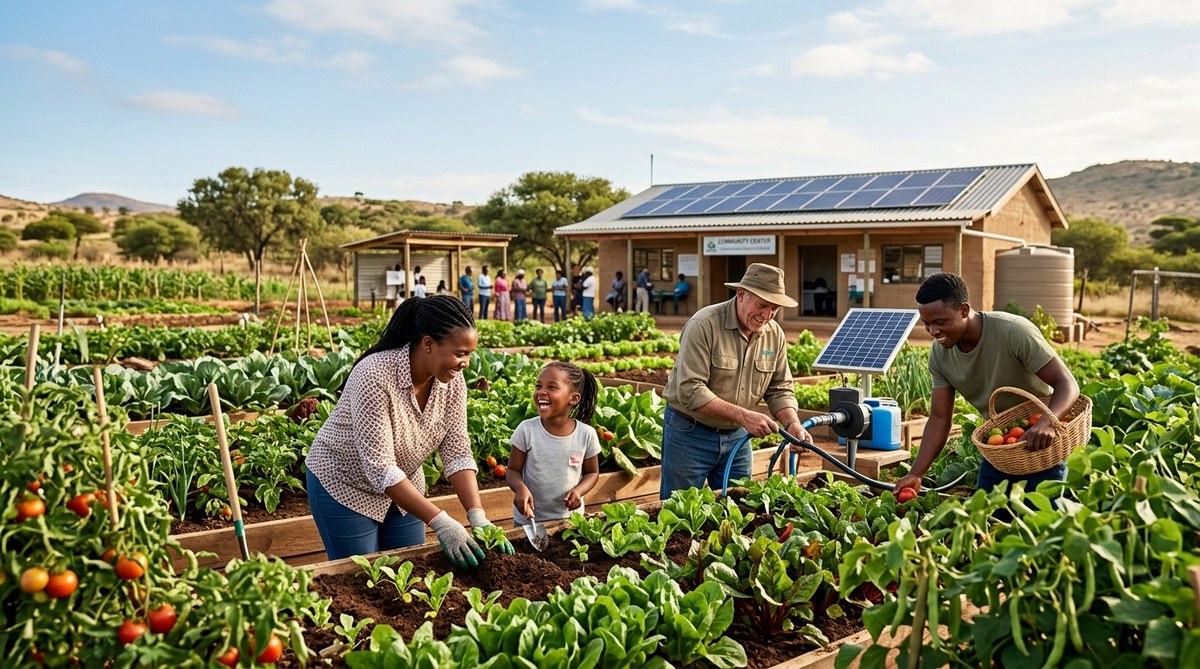
Empowering Communities Through Sustainable Social Impact Initiatives
Communities around the world face unique challenges, from poverty and unemployment to environmental issues and social inequalities. Addressing these problems requires more than quick fixes; it demands a thoughtful approach rooted in sustainability and genuine engagement. When community leaders, social entrepreneurs, and NGOs commit to empowering local populations, they lay the foundation for lasting change that benefits everyone. This process turns ideas into action and action into a vibrant, resilient community fabric.
Empowering communities through sustainable social impact initiatives involves understanding local needs, fostering collaboration, designing strategic programs, and ensuring long-term sustainability. These efforts create resilient, thriving communities built on shared ownership and continuous growth.
Why sustainable social impact matters for communities
Sustainable social impact initiatives are about more than immediate relief. They focus on creating solutions that endure over time, promoting economic development, social cohesion, and environmental health. When communities are empowered, they gain the ability to address their challenges independently, reducing reliance on external aid. This empowerment transforms communities into active participants in their development, fostering resilience and self-sufficiency.
Community-led initiatives often yield more meaningful results because they are tailored to specific local contexts. They build local capacity, strengthen social networks, and promote sustainable practices. These efforts are crucial for addressing complex issues like poverty, health disparities, and environmental degradation. When communities are equipped with the tools, knowledge, and resources, they can initiate change that truly sticks.
How to effectively empower communities through social impact initiatives
Empowering communities requires a structured yet adaptable process. Here are key steps to guide your efforts:
1. Understand local needs and assets
Begin by listening. Engage community members through surveys, focus groups, and informal conversations. Identify their priorities, challenges, and existing strengths. Understanding the local context ensures that initiatives are relevant and accepted. Recognize cultural norms, social dynamics, and resource availability to tailor solutions effectively.
2. Foster genuine participation and collaboration
Involve community members in every stage of the project. When people have a voice and a sense of ownership, they are more committed to success. Form partnerships with local organizations, leaders, and stakeholders. Collaboration amplifies resources and fosters shared responsibility.
3. Design strategic, sustainable programs
Develop initiatives that address root causes and promote self-sufficiency. Focus on capacity building, skills development, and economic opportunities. For example, supporting local entrepreneurs or providing vocational training can lead to long-term benefits. Use data to inform your strategies and continuously evaluate progress.
4. Promote environmentally and socially sustainable practices
Encourage solutions that respect ecological limits and cultural values. Sustainable agriculture, renewable energy projects, and waste management are examples that protect both the environment and community well-being. Educate stakeholders on practices that ensure ongoing benefits without depleting resources.
5. Build social networks and community resilience
Strengthen relationships among community members through events, workshops, and shared projects. Social cohesion fosters trust and collective action. Resilient communities can better withstand shocks like natural disasters or economic downturns.
Practical techniques and common pitfalls
| Techniques | Mistakes to Avoid |
|---|---|
| Conduct participatory needs assessments | Relying solely on external expertise without local input |
| Establish clear, measurable goals | Setting vague or overly ambitious objectives |
| Build local capacity through training | Underestimating the importance of ongoing support |
| Use culturally appropriate communication | Ignoring local customs and norms |
| Foster peer-to-peer learning | Overlooking the importance of sustainability planning |
An expert once said, “True empowerment is not just about providing resources but about enabling communities to lead their own development. Sustainability hinges on local ownership and continuous engagement.”
Practical processes for implementing social impact initiatives
Implementing successful social impact programs involves a sequence of deliberate actions:
- Assess Needs and Resources: Start with comprehensive community assessments. Map out what exists and what is needed.
- Co-create Solutions: Work alongside community members to design interventions that align with their aspirations.
- Pilot and Refine: Test ideas on a small scale, gather feedback, and adapt.
- Scale and Sustain: Expand successful initiatives while ensuring ongoing community involvement and resource support.
- Monitor and Evaluate: Regularly track progress, celebrate successes, and learn from setbacks.
These steps create a cycle of continuous improvement, ensuring initiatives remain relevant and effective over time.
Building a culture of sustainable change
Empowering communities is an ongoing journey. It requires patience, humility, and a genuine commitment to participatory development. As community members become more engaged and skilled, they begin to see themselves as agents of change. This shift is vital for creating environments where innovation and resilience flourish.
Supporting community-led initiatives also involves fostering a mindset that values sustainability over quick wins. It means investing in local leadership, championing inclusive participation, and ensuring that programs are adaptable to changing circumstances.
Ways to put empowerment into action
- Organize local leadership training programs.
- Support small-scale, community-driven projects.
- Encourage local entrepreneurs with microfinance or grants.
- Facilitate knowledge sharing through community forums.
- Promote environmental sustainability through education campaigns.
Common mistakes to avoid
- Imposing solutions without community input
- Short-term focus that neglects long-term sustainability
- Neglecting cultural sensitivities
- Overlooking the importance of local capacity building
- Failing to establish monitoring systems
A community-focused approach that makes a difference
Empowering communities through sustainable social impact initiatives transforms lives. It fosters resilience, promotes equality, and nurtures local talents. When communities are active partners in their development, the results are more authentic and enduring.
Remember, meaningful change stems from collaboration, respect, and shared ownership. By listening to local voices and supporting their visions, you can help build a future where everyone has the opportunity to thrive.
Cultivating lasting change through community empowerment
Applying these principles begins with a simple step: engage genuinely with your community. Listen to their stories, understand their needs, and work together to craft solutions that fit their unique context. As you do, you’ll see the seeds of sustainable growth take root, leading to healthier, more resilient communities.
Empowerment is not a one-time effort but a continuous process. Stay committed, adapt to new challenges, and celebrate the progress along the way. The impact of your work can ripple outward, inspiring others to join the movement toward sustainable, community-led change.