Bridging Healthcare Gaps in Underserved Communities with Telemedicine Solutions
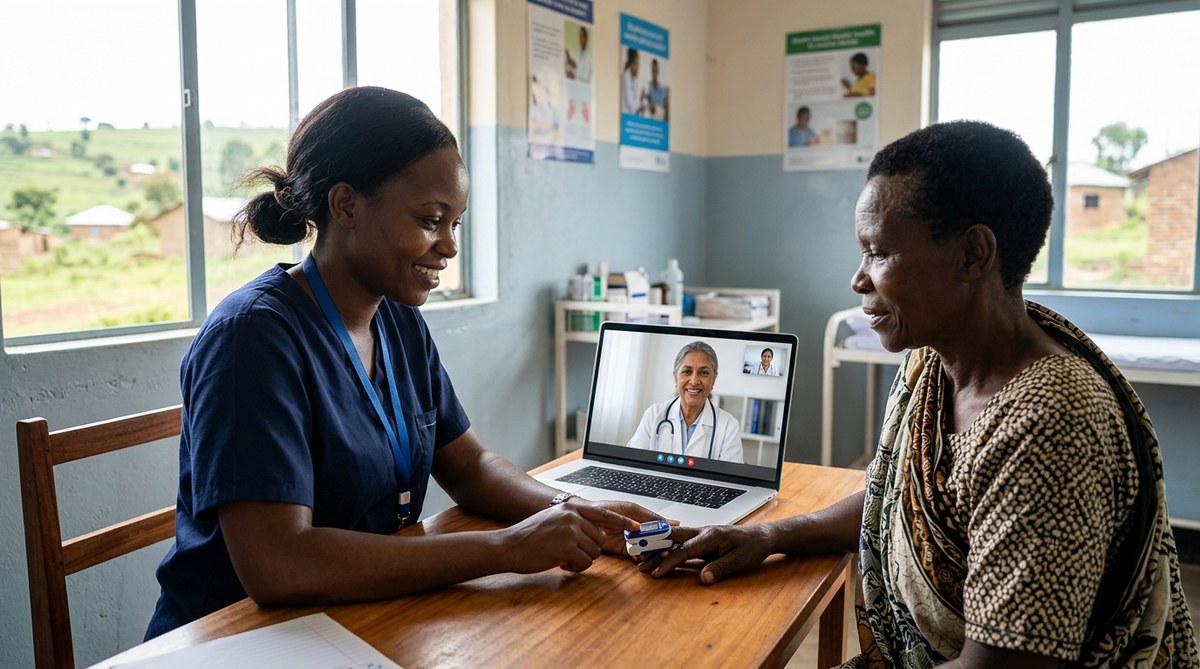
Bridging healthcare gaps in underserved communities is a challenge that many health systems are eager to solve. For residents living in remote or economically disadvantaged areas, accessing quality medical care often feels out of reach. Telemedicine offers a powerful solution to this problem. It brings healthcare services directly into homes and local clinics, reducing travel barriers and ensuring timely care. As digital health tools continue to evolve, they are becoming essential in creating more equitable healthcare systems worldwide.
Telemedicine is transforming healthcare delivery by overcoming geographic, economic, and logistical barriers, making it possible to bridge gaps in underserved communities and improve health outcomes for all.
Why Telemedicine Is Key to Closing Healthcare Disparities
Access to healthcare should not depend on where someone lives or their financial situation. Yet, for many in rural or impoverished areas, getting timely medical help remains a significant hurdle. Telemedicine connects patients with healthcare professionals through digital platforms, allowing remote consultations, follow-up care, and health monitoring. This approach not only improves access but also enhances the quality of care by enabling early diagnoses and ongoing management of chronic conditions.
How Telemedicine Bridges the Healthcare Divide
Bridging healthcare gaps involves several interconnected strategies. Telemedicine plays a central role in each of these, making healthcare more accessible, affordable, and effective.
1. Expanding geographic reach
In many rural areas, there are fewer healthcare providers, and hospitals are often miles away. Telehealth solutions enable patients to consult with doctors, specialists, and mental health professionals without leaving their communities. This means shorter wait times, quicker diagnoses, and timely treatment. For example, a patient with a chronic condition can have regular check-ins via video calls, reducing the need for long trips to distant clinics.
2. Overcoming financial barriers
The cost of transportation, taking time off work, and hospital fees can discourage people from seeking care. Telemedicine reduces these expenses by providing virtual consultations, which can be more affordable and flexible. Many programs now offer sliding scale fees or are covered by community health initiatives, making digital health services more accessible to low-income populations.
3. Improving chronic disease management
Chronic illnesses like diabetes, hypertension, and asthma require consistent monitoring. Telehealth technologies support remote patient monitoring through wearable devices and mobile apps. Patients can track their health data and share it with their providers in real-time. This leads to better disease control and fewer emergency visits.
Practical Steps to Implement Telemedicine in Underserved Areas
Creating effective telemedicine programs involves careful planning and execution. Here are three steps health organizations and policymakers can take:
-
Invest in infrastructure: Ensure reliable internet access and equip local clinics with necessary telehealth tools. Broadband expansion projects are critical, especially in rural regions where connectivity is limited.
-
Train healthcare workers and patients: Provide education on how to use telehealth platforms and devices. This boosts confidence and ensures smooth adoption across communities.
-
Develop supportive policies: Establish regulations that facilitate telemedicine reimbursement, licensing, and privacy safeguards. Clear policies encourage providers to participate and expand services.
Key techniques and common mistakes
| Techniques | Mistakes to avoid |
|---|---|
| Providing user-friendly interfaces | Using complex, hard-to-navigate platforms |
| Ensuring high-quality video and audio | Neglecting technical support and troubleshooting |
| Incorporating local languages and cultural context | Ignoring community input and feedback |
| Partnering with local organizations | Overlooking infrastructure challenges |
Real-World Examples of Telemedicine Success
Many initiatives demonstrate how digital health solutions can bridge the healthcare divide. In rural parts of the United States, telehealth programs have enabled patients to access specialists without long travel. Similarly, in low-income countries, mobile health clinics and remote consultations are helping to deliver essential services to populations that would otherwise remain underserved.
“Implementing telemedicine in underserved areas requires understanding community needs and tailoring solutions accordingly. When done right, it can significantly improve health outcomes and empower local health systems,” emphasizes Dr. Lisa Carter, a public health expert specializing in digital solutions.
Challenges and Opportunities in Scaling Telehealth
While telemedicine offers many benefits, there are hurdles to overcome. Limited internet access, lack of digital literacy, and regulatory barriers can hinder program growth. However, advancements in mobile technology and innovative funding models are creating new opportunities. Governments and organizations can leverage grants, subsidies, and collaborations to expand digital health infrastructure and training.
How to Ensure Telemedicine Efforts Make a Lasting Impact
Sustaining telehealth programs requires ongoing evaluation and community involvement. Collecting data on utilization, patient satisfaction, and health outcomes helps refine services. Engaging local leaders and residents ensures programs are culturally appropriate and meet actual needs.
Techniques for effective evaluation
| Technique | Common mistakes |
|---|---|
| Regular data collection | Infrequent monitoring leading to outdated insights |
| Community feedback sessions | Ignoring stakeholder input |
| Pilot programs before scaling | Rushing deployment without testing |
| Continuous staff training | Allowing skills to become outdated |
Moving Towards Equitable Healthcare for All
Bridging healthcare gaps with telemedicine is about more than technology. It involves building trust, fostering partnerships, and adapting solutions to local contexts. As digital health continues to advance, opportunities expand for reaching the most vulnerable populations.
Final thoughts on making telemedicine work for underserved communities
Implementing effective telehealth programs is a collaborative effort. Policymakers, healthcare providers, and community members all have roles to play. By prioritizing infrastructure, education, and supportive policies, we can make meaningful progress. Digital solutions are not a substitute for in-person care but a vital complement that extends healthcare’s reach. Start small, listen to your community, and scale thoughtfully to bridge the gaps in healthcare access.
Bridging the future of equitable healthcare
Ensuring everyone has access to quality healthcare remains a universal goal. Telemedicine is a powerful tool to help achieve it. By embracing innovative approaches and focusing on community needs, we can create a more inclusive, healthier world for all. Remember, every step toward better connectivity and understanding brings us closer to closing the healthcare divide.