Innovative Strategies to Break the Cycle of Poverty in Vulnerable Communities
Communities facing persistent poverty often seem trapped in a cycle that resists traditional solutions. But with targeted strategies and a commitment to systemic change, it is possible to create pathways out of hardship. Addressing the root causes of poverty requires a multi-layered approach that combines community engagement, innovative programs, and policy support. When these elements come together effectively, they can transform lives and foster long-term resilience.
Breaking the cycle of poverty in vulnerable communities involves strategic planning, community collaboration, targeted programs, and systemic reforms. Success hinges on understanding local needs, fostering partnerships, and implementing sustainable solutions that empower residents to build brighter futures.
Understanding the Foundations of Poverty Disruption
To truly break the cycle of poverty, it’s essential to understand the systemic factors that keep communities in hardship. Poverty is rarely caused by a single issue; instead, it stems from a complex interplay of economic, educational, health, and social challenges. Addressing these requires a comprehensive view that looks at multiple systems simultaneously.
Key elements include access to quality education, stable employment opportunities, affordable housing, healthcare, and social support networks. Without these, families often remain in a state of vulnerability, unable to escape poverty’s grip. Successful strategies focus on disrupting these interconnected barriers and creating supportive environments that foster growth.
Practical Steps to Break the cycle of poverty
Implementing change involves concrete actions that community leaders, policymakers, and social workers can undertake. Here’s a step-by-step guide to making impactful progress:
- Assess Community Needs and Resources
- Build Collaborative Partnerships
- Design and Implement Targeted Programs
1. Assess community needs and resources
Start by gathering data and engaging residents to understand the specific challenges they face. This can include surveys, focus groups, and collaboration with local organizations. Identifying the most pressing issues ensures that programs are relevant and effective.
2. Build collaborative partnerships
Success depends on working with a variety of stakeholders—schools, healthcare providers, businesses, faith-based groups, and government agencies. Partnerships expand capacity and foster innovative solutions. Open communication and shared goals form the backbone of these alliances.
3. Design and implement targeted programs
Create initiatives that directly address identified barriers. For example, providing job training, affordable childcare, or health services can make immediate differences. Tailoring programs to community needs increases their impact and sustainability.
Techniques for Sustainable Impact
Achieving lasting change requires ongoing efforts and adaptability. Consider the following techniques:
- Holistic approaches that address education, health, and economic stability simultaneously.
- Data-driven decision-making to refine programs and measure progress.
- Community involvement ensuring residents are active participants, not just recipients.
- Policy advocacy for systemic reforms that support long-term development.
Below is a table clarifying common techniques and pitfalls:
| Technique | Mistake to Avoid |
|---|---|
| Focusing solely on immediate aid | Creating dependency instead of empowerment |
| Ignoring local context | Applying generic solutions that don’t fit community needs |
| Overlooking systemic barriers | Addressing symptoms without tackling root causes |
| Lack of continuous evaluation | Continuing ineffective programs without adjustment |
“Addressing poverty requires a shift from providing temporary relief to enabling sustainable self-sufficiency. Building community resilience involves patience, listening, and persistent innovation.” — Expert in community development
Examples of Successful Initiatives
Many communities have demonstrated that strategic, compassionate efforts can lead to meaningful change. Here are some proven approaches:
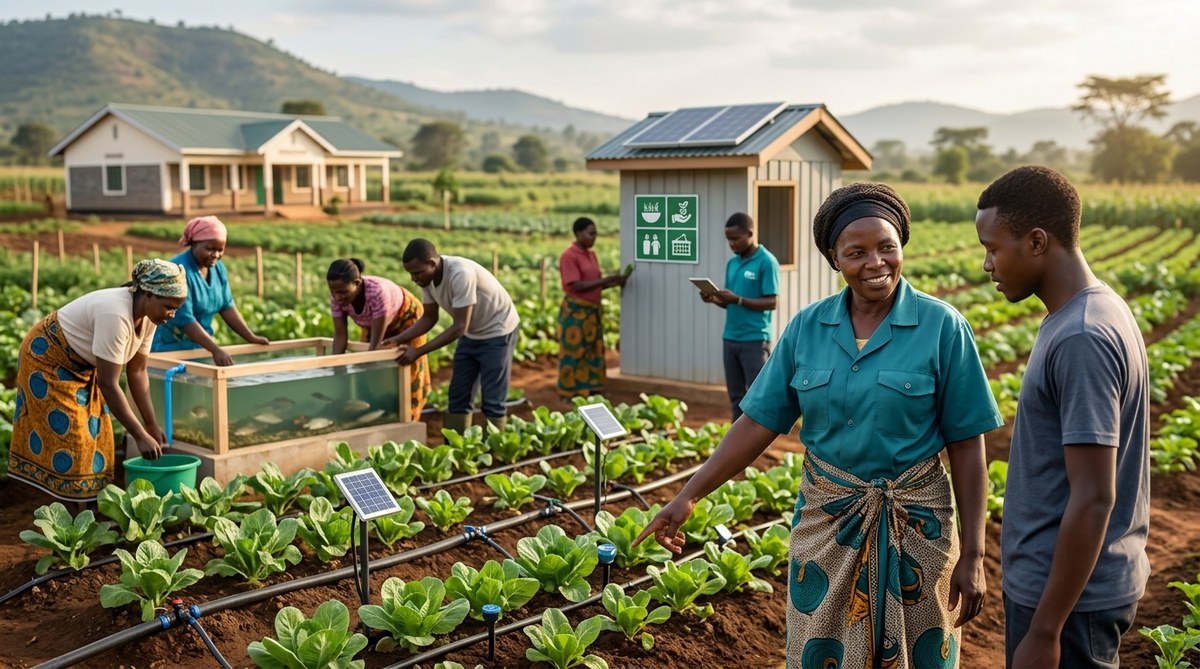
- Local food programs that increase access to nutritious options, like farmers’ market vouchers linked to nutrition education.
- Workforce development initiatives that partner with local businesses to create in-demand job pathways.
- Integrated service models that combine health, education, and social services under one roof, reducing barriers for residents.
- Asset-based community development that leverages local strengths and resources to foster pride and participation.
Addressing Common Challenges
While progress is possible, several obstacles can hinder efforts. Recognizing and planning for these can improve outcomes.
| Challenge | Solution |
|---|---|
| Limited funding | Seek diverse funding sources, including grants and partnerships |
| Resistance to change | Engage community members early and incorporate feedback |
| Fragmented systems | Promote inter-agency coordination and data sharing |
| Short-term focus | Prioritize long-term sustainability over quick fixes |
Fostering a Culture of Continuous Improvement
Building a community that can break the cycle of poverty is an ongoing process. Regularly reviewing outcomes, engaging residents for feedback, and adjusting strategies keep initiatives relevant and effective.
“Empowering communities is about more than programs. It’s about creating a culture that values learning, adaptation, and shared success.” — Community strategist
Moving Forward with Compassion and Purpose
Breaking the cycle in vulnerable communities is challenging but achievable. It requires dedication, creativity, and a deep understanding of local realities. By combining practical steps with a compassionate approach, communities can foster environments where everyone has the opportunity to thrive.
Remember that small, consistent efforts often lead to substantial change. Engage with local stakeholders, listen to residents, and remain flexible as you implement your strategies. Together, change is possible.
Cultivating Hope Through Action
Every community has unique strengths and opportunities. Your role in fostering sustainable change can inspire others and create a ripple effect that extends beyond individual families. With thoughtful planning and genuine partnership, you can help vulnerable populations build resilient futures. Keep moving forward with patience and purpose.