Building Stronger Neighborhoods with Volunteer-Led Projects
Building vibrant, resilient neighborhoods takes more than just good intentions. It requires committed residents, community organizers, and philanthropists working together to address local needs. Volunteer-led projects have proven to be powerful tools in transforming neighborhoods into thriving, connected spaces. These initiatives foster a sense of ownership, pride, and cooperation among residents. When communities come together to build, clean, and improve their surroundings, they create a foundation for sustainable growth and happiness.
Volunteer projects are a vital part of strengthening neighborhoods. They bring residents together, address local needs, and foster lasting community bonds. Practical steps and strategic planning can turn ideas into impactful actions that transform communities for the better.
Why Volunteer Projects Are Essential for Building Stronger Neighborhoods
Volunteer-led initiatives have the power to address specific local challenges quickly and effectively. They often focus on beautification, safety, social cohesion, or resource sharing. When residents actively participate in improving their environment, they develop a sense of pride and belonging. This collective effort can lead to a more cohesive community, where neighbors look out for one another and work toward common goals.
For example, a neighborhood cleanup day not only enhances curb appeal but also encourages residents to connect and share their ideas. Over time, these small acts can snowball into larger projects like community gardens, safety patrols, or youth programs. Volunteer projects also reduce dependency on external agencies, empowering residents to take control of their environment and foster a culture of ongoing improvement.
Practical Steps to Launch a Volunteer-Led Neighborhood Initiative
Starting a successful volunteer project involves a clear plan and community support. Here’s a simple process to get started:
- Identify local needs: Talk with residents, conduct surveys, or hold meetings to understand what issues matter most. Focus on areas like parks, streets, safety, or youth activities.
- Gather a core team: Find passionate neighbors, community leaders, or local organizations willing to champion the project. A committed team keeps momentum going.
- Develop a plan: Set achievable goals, outline specific activities, and determine what resources are required. Create a timeline and assign roles.
- Mobilize volunteers: Use flyers, social media, or community events to recruit others. Emphasize how their participation makes a difference.
- Implement and adapt: Carry out activities, celebrate small wins, and listen to feedback. Be flexible and ready to adjust plans as needed.
Key strategies for success include:
- Building partnerships with local businesses or nonprofits for support.
- Securing small grants or in-kind donations to fund supplies.
- Recognizing volunteers’ efforts to foster ongoing engagement.
Techniques for Effective Neighborhood Improvement Projects
Implementing projects that truly resonate requires thoughtful techniques. Here are some methods that can help:
- Community mapping: Involve residents in identifying assets and challenges in their area.
- Asset-based community development: Focus on existing strengths like local skills, spaces, and networks.
- Participatory planning: Engage residents in decision-making to ensure projects meet actual needs.
- Capacity building: Offer training or resources to empower volunteers.
- Recognition and celebration: Host events to honor volunteers and showcase progress.
However, projects can fail if certain pitfalls are ignored. Common mistakes include:
| Technique | Mistake |
|---|---|
| Overplanning | Trying to do too much without sufficient support |
| Lack of communication | Failing to keep volunteers informed and engaged |
| Ignoring local voices | Not involving residents in decision-making |
| Underestimating resources | Not securing enough time, funds, or materials |
Expert insight
“The most successful neighborhood projects are those rooted in the community’s voice. When residents shape initiatives, the results are more meaningful and sustainable,” says community development expert Sarah Martinez.
Inspiring Examples of Volunteer-Led Neighborhood Projects
Many communities have seen remarkable transformation through volunteer efforts. Some inspiring examples include:
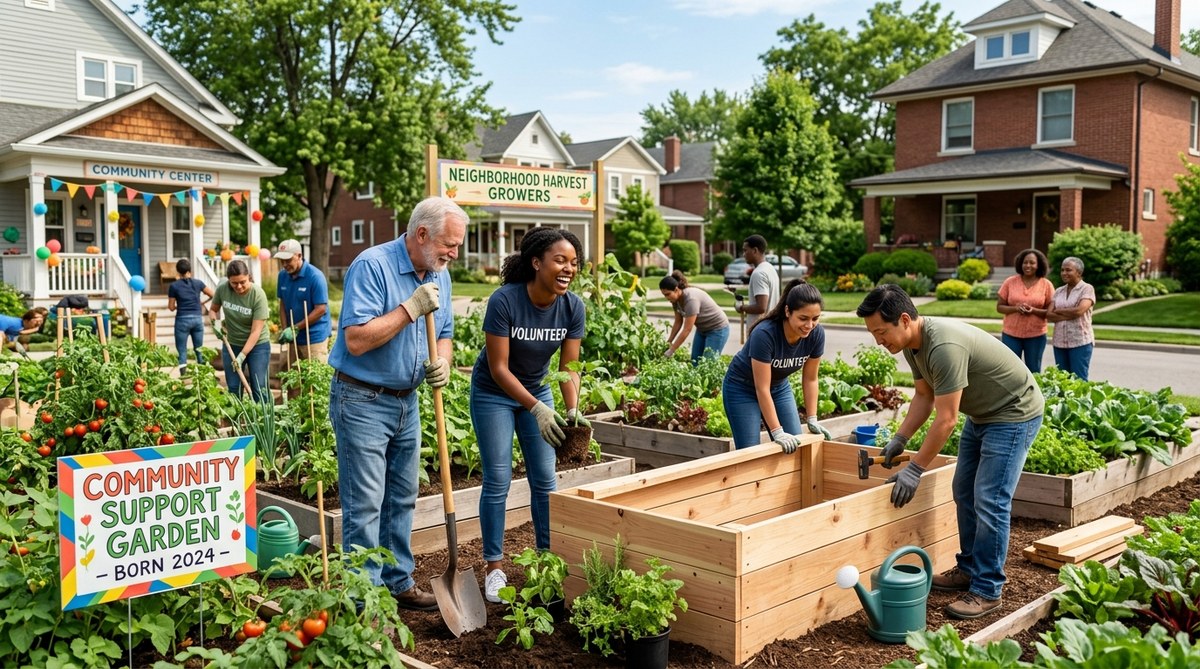
- A group of residents turning an abandoned lot into a vibrant community garden, providing fresh produce and a gathering space.
- Local volunteers organizing regular safety patrols, leading to a noticeable decrease in crime.
- Youth-led cleanup days that restore parks and playgrounds, engaging young residents in caring for their environment.
- Neighborhood art murals created by volunteers, beautifying streets and fostering pride.
These projects show how small, dedicated efforts can lead to big change and stronger community bonds.
How To Sustain Momentum and Grow Impact
Maintaining enthusiasm over time can be challenging. Here are some ways to keep projects thriving:
- Set clear, achievable milestones to celebrate progress.
- Share success stories through social media or local newsletters.
- Recognize volunteers with awards or public acknowledgments.
- Establish ongoing committees or groups to oversee future activities.
- Seek new partnerships or funding to expand initiatives.
Remember, sustaining change requires ongoing engagement. Regular check-ins, feedback, and adaptation help keep the effort alive.
Building a Culture of Volunteerism in Your Neighborhood
Creating a lasting culture of volunteerism involves cultivating a sense of shared purpose. Encourage residents to see themselves as active contributors to their community’s wellbeing. Use community events, social media, and local media to highlight volunteer stories and successes. Offer opportunities for all ages and backgrounds to get involved, making participation accessible and fun.
Final Thoughts on Creating Stronger Neighborhoods
Building stronger neighborhoods through volunteer projects is a rewarding journey. It enhances safety, beautifies spaces, and fosters genuine connections among residents. The key lies in starting small, planning thoughtfully, and nurturing a spirit of cooperation. Remember that every effort counts, and with persistence, your community can become a place everyone is proud to call home.
Getting involved today can set the stage for a brighter, more connected tomorrow. Take the first step, gather neighbors, and turn ideas into impactful action. Your neighborhood’s future is shaped by the collective effort you invest now.