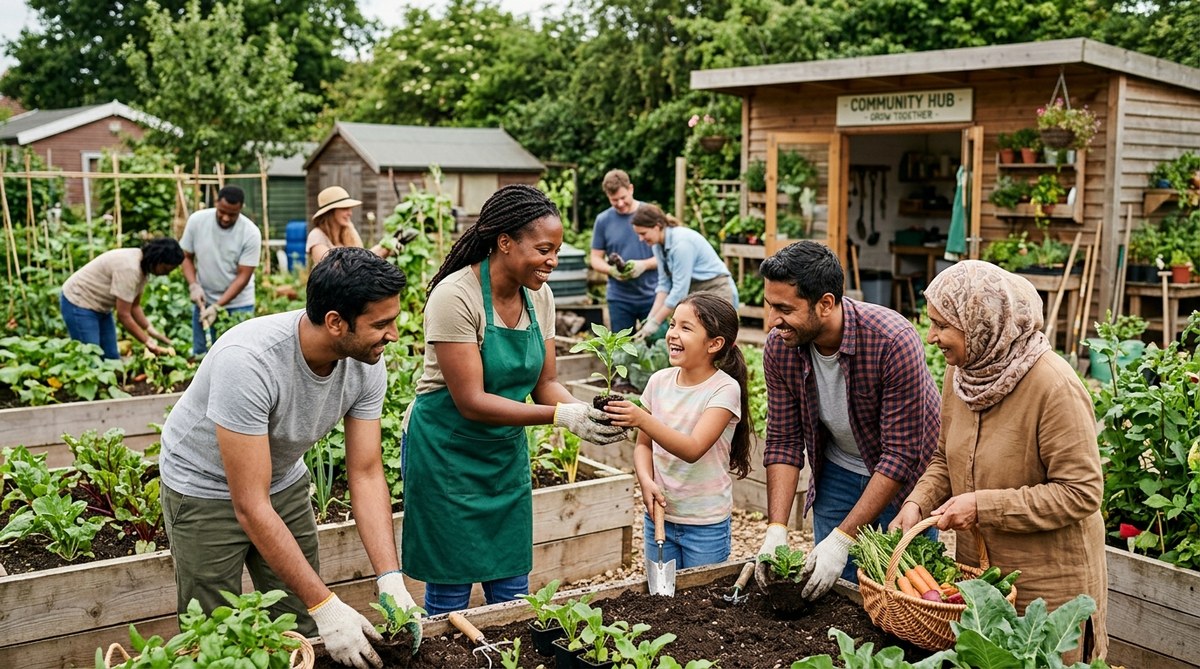
Empowering Communities Through Local Support Initiatives
Community development thrives when local leaders and organizations come together to uplift their neighborhoods. Empowering communities through local support initiatives is more than just a buzzword. It’s about fostering a sense of ownership, resilience, and shared success. When people feel connected and supported, they’re more likely to participate actively in shaping their environment. This approach creates lasting change that benefits everyone. Whether you’re a community leader, social worker, or government official, understanding how to implement effective local initiatives can significantly improve lives.
Empowering communities through local support initiatives involves engaging residents, building trust, and implementing targeted programs to address specific needs. Practical strategies include fostering participation, developing skills, and promoting sustainable growth for a stronger, more resilient neighborhood.
Understanding the Power of Local Support in Community Growth
Local support initiatives are about more than just providing resources. They are about nurturing the social fabric that holds a community together. When residents, organizations, and officials work hand-in-hand, they can identify needs, leverage assets, and create solutions that are sustainable and meaningful.
Strengthening community bonds often leads to improvements in public safety, economic stability, education, and health. For example, a neighborhood-led food program can reduce food insecurity, while a local mentorship scheme can inspire young people to reach their potential. These efforts are rooted in understanding the unique challenges and opportunities of each community.
Practical Steps to Empower Your Community
Implementing effective local support initiatives requires a clear plan. Here are some practical steps to guide your efforts:
- Identify community needs
- Engage residents and stakeholders
- Develop targeted programs and initiatives
Let’s take a closer look at each step.
1. Identify community needs
Understanding what your community requires is the foundation of successful support initiatives. Conduct surveys, hold town hall meetings, and talk directly with residents. Look for recurring issues such as lack of affordable housing, limited access to education, or unemployment. Data can also help highlight gaps and opportunities.
2. Engage residents and stakeholders
True empowerment happens when residents feel they have a voice. Create platforms for participation like community forums, social media groups, or volunteer committees. Collaborate with local organizations, schools, businesses, and government agencies. Building trust and relationships is key to sustaining efforts.
3. Develop targeted programs and initiatives
Based on the needs assessment, tailor programs that address specific issues. For example, if job opportunities are scarce, consider job training workshops. If food insecurity is high, organize community gardens or food pantries. Focus on sustainable solutions that empower residents to take ownership.
4. Foster ongoing participation and feedback
Community support is an ongoing process. Regularly check in with residents, celebrate successes, and adjust programs as needed. Encourage feedback and make residents part of decision-making.
5. Measure impact and celebrate progress
Track the outcomes of your initiatives. Use simple metrics like participation rates, feedback, or tangible improvements in quality of life. Celebrating milestones keeps momentum alive and motivates continued involvement.
Techniques That Drive Effective Community Support
To ensure your efforts are impactful, consider these proven techniques:
- Building inclusive participation strategies
- Leveraging local assets such as schools, churches, and businesses
- Providing accessible resources and information
- Creating mentorship and leadership development programs
- Promoting sustainable practices like community gardens and renewable energy projects
Common pitfalls to avoid
| Technique | Mistake to Avoid |
|---|---|
| Overlooking community input | Relying solely on top-down decisions |
| Ignoring cultural diversity | Failing to adapt initiatives to local context |
| Short-term focus | Planning only for immediate needs without sustainability |
| Lack of clear goals | Initiatives without measurable objectives |
| Poor communication | Not keeping residents informed or engaged |
Expert insight
“Empowering communities means enabling residents to lead change. When initiatives are designed with their voices, they become more effective and sustainable,” shares Dr. Lisa Moreno, a community development expert.
Success Stories Showcasing Local Initiatives
Many communities have transformed through dedicated efforts. For instance, the Harlem Children’s Zone has created a comprehensive network of programs that support children and families from early childhood through college. Their success demonstrates how a holistic approach can uplift entire neighborhoods.
Similarly, community development corporations (CDCs) have revitalized neighborhoods by focusing on affordable housing, small business support, and youth programs. These organizations often work closely with residents to identify priorities and implement solutions.
How to Get Started With Your Local Initiative
Starting a community project might feel overwhelming, but breaking it down makes it manageable. Here are some initial steps:
- Conduct a needs assessment with residents
- Form a diverse planning team
- Set clear, achievable goals
- Secure resources through grants, partnerships, or donations
- Launch pilot programs and gather feedback
- Celebrate early wins to build momentum
Remember, small consistent efforts can lead to significant change over time.
Building a Culture of Support and Resilience
Sustainable community development relies on fostering a culture of support. This involves cultivating leadership, encouraging collaboration, and recognizing contributions. When residents see their efforts valued, they’re more likely to stay engaged.
Moreover, resilience comes from diversity and adaptability. Communities that embrace their unique cultural identities and are open to new ideas tend to weather challenges better. Supporting local initiatives creates a sense of ownership that fuels resilience and long-term growth.
Final thoughts on fostering empowered neighborhoods
Empowering communities through local support initiatives is a dynamic, ongoing process. It requires listening, collaboration, and a shared vision for the future. By focusing on practical steps and leveraging community strengths, you can help create neighborhoods where everyone feels valued and supported. Small actions, when combined, lead to big changes. Start where you are, involve others, and watch your community thrive.
Nurturing the roots of community strength
Investing in local support initiatives is about more than programs. It’s about cultivating the roots of trust, cooperation, and shared purpose. As community leaders and social workers, your role is vital in guiding these efforts. Each step forward builds a foundation for lasting prosperity and well-being. Remember, empowering communities is a journey best traveled together, with patience and passion. Take initiative today, and help shape neighborhoods where everyone can flourish.