How Global Aid Initiatives Are Transforming Poverty Reduction Efforts
International aid has long played a crucial role in tackling global poverty. Yet, recent shifts in approach and strategy show that aid initiatives are becoming more targeted, innovative, and aligned with local needs. Instead of just providing immediate relief, many programs now aim to build resilient communities, strengthen local institutions, and foster sustainable growth. These transformations are making aid more effective and impactful, helping millions escape poverty’s grasp and paving the way for a more equitable future.
Global aid initiatives are shifting from simple donations to strategic investments that support sustainable development, strengthen local systems, and target root causes of poverty. This evolution enhances aid effectiveness, delivering better outcomes for communities worldwide.
Understanding the evolution of global aid and its role in reducing poverty
Aid efforts are no longer one-size-fits-all. They now incorporate a broader understanding of poverty’s multiple dimensions, including income, health, education, and social inclusion. The traditional model of direct financial assistance is giving way to approaches that emphasize capacity building, policy reform, and local ownership. This shift recognizes that lasting poverty reduction requires systemic change and community-driven solutions.
International aid has become more sophisticated, with a focus on effectiveness and accountability. Donor agencies and governments are increasingly emphasizing results-based funding, monitoring, and evaluation. This ensures that resources are used efficiently and that initiatives truly meet the needs of the populations they serve.
How aid initiatives are transforming to address poverty more effectively
1. Emphasizing local ownership and community-led development
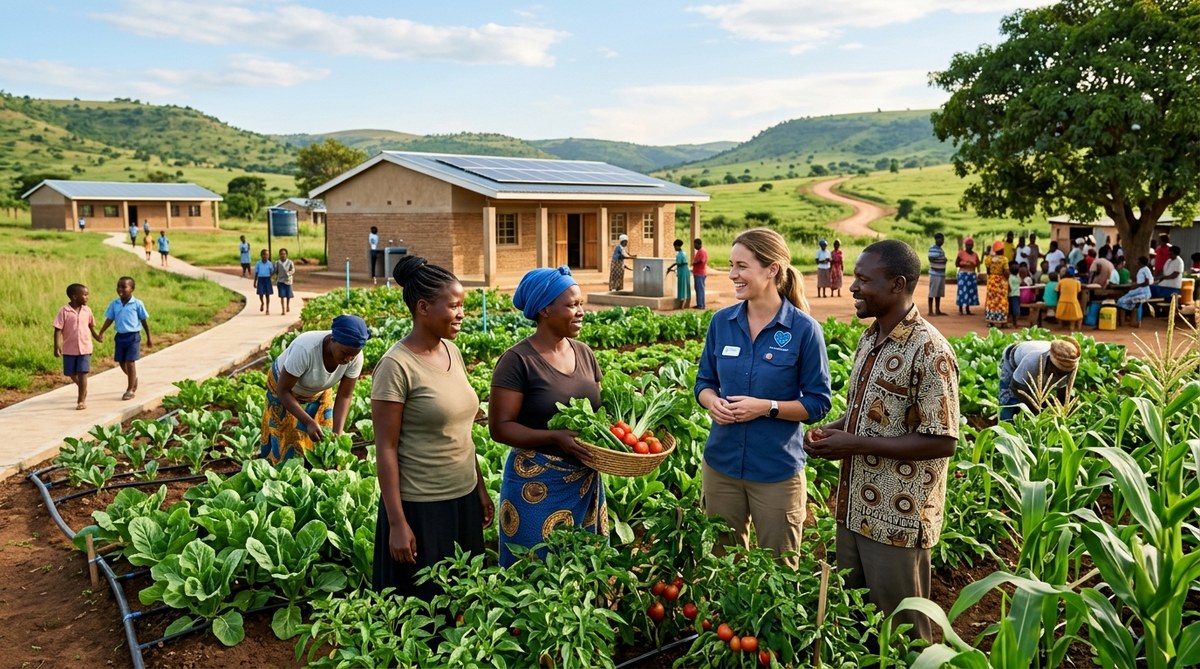
Aid programs now prioritize empowering local stakeholders. Instead of imposing solutions, they support communities to identify their own needs and craft tailored strategies. This approach fosters ownership, sustainability, and relevance. For example, local health clinics or educational programs often succeed better when communities lead their design and management.
2. Integrating social, economic, and environmental strategies
Modern aid initiatives recognize that poverty is interconnected with issues like climate change, gender inequality, and access to clean water. Programs now adopt holistic strategies that address these dimensions simultaneously. For instance, a project might combine renewable energy with vocational training and sanitation improvements to maximize impact.
3. Leveraging technology and innovative financing
Digital tools and data analytics enable donors and implementers to target aid more precisely. Mobile banking, for instance, allows direct cash transfers to the poor, reducing corruption and increasing efficiency. New financial instruments like social impact bonds also attract private sector investment in development goals, expanding resources and expertise.
4. Focusing on sustainable and scalable solutions
Instead of short-term relief, aid efforts aim for long-term results. This includes investing in education, healthcare, infrastructure, and institutions that can sustain growth independently. Microfinance initiatives exemplify this, providing small loans to entrepreneurs to build local economies over time.
5. Promoting partnerships and multi-sector collaboration
Addressing poverty effectively requires cooperation across governments, NGOs, private companies, and communities. Aid programs now foster partnerships that combine resources and expertise. Initiatives like the Global Partnership for Education demonstrate how collective efforts can improve access to quality education worldwide.
Practical steps for enhancing aid impact on poverty reduction
- Align aid with local priorities: Ensure that funding supports community-identified needs rather than external agendas.
- Invest in capacity building: Strengthen local institutions, governments, and civil society to manage and sustain development projects.
- Use data for decision-making: Incorporate real-time monitoring to adapt programs and maximize outcomes.
- Support inclusive policies: Address barriers faced by marginalized groups such as women, minorities, and rural populations.
- Foster transparency and accountability: Maintain open reporting and rigorous evaluation to build trust and improve results.
Common techniques and pitfalls in aid programs
| Techniques | Mistakes to avoid |
|---|---|
| Targeted social sector spending | Overgeneralizing needs without local input |
| Community participation | Imposing solutions without local buy-in |
| Data-driven decision making | Ignoring context-specific factors |
| Multi-stakeholder partnerships | Fragmented efforts and duplicated resources |
| Focus on capacity building | Underfunding or neglecting institutional support |
“Aid effectiveness depends on understanding local contexts and empowering communities to lead development efforts. External support should complement and strengthen local initiatives rather than replace them.” — Development economist
The role of debt relief and policy reforms in sustainable poverty reduction
Debt relief programs like the Heavily Indebted Poor Countries (HIPC) initiative aim to free up resources for social spending. When countries receive debt forgiveness, they can redirect funds toward health, education, and infrastructure. However, the success of debt relief relies heavily on transparent governance and strategic planning.
Conditionalities attached to debt relief often emphasize policy reforms that promote economic stability and social spending. When these reforms align with community needs, they can accelerate progress. For example, countries that prioritize social expenditures within their Poverty Reduction Strategy Papers (PRSPs) tend to see better outcomes.
It is vital that debt relief and aid efforts work hand in hand. Aligning financial support with local priorities ensures that resources generate meaningful change. Properly managed, debt relief can serve as a catalyst for structural reforms that eradicate poverty more sustainably.
The importance of measuring progress and adapting strategies
Tracking progress is essential. Indicators like the Human Development Index (HDI), infant mortality rate, and access to education help assess impact. Regular evaluations reveal what works and what needs adjustment.
Aid programs must remain flexible. As conditions evolve, strategies should adapt to new challenges and opportunities. For instance, the COVID-19 pandemic highlighted the importance of health system resilience. Programs that quickly pivoted to support pandemic responses proved more effective.
Using a participatory approach in monitoring enables communities to provide feedback and take ownership of outcomes. Transparent reporting and open dialogue foster trust and continuous learning.
Building a future shaped by smarter aid initiatives
Efforts to reduce poverty through international aid are advancing rapidly. The focus is shifting toward sustainable, locally driven solutions that respect the unique contexts of each community. By integrating innovative tools, fostering partnerships, and emphasizing accountability, aid can become a powerful force for lasting change.
Policymakers, researchers, and development professionals can contribute by designing programs that prioritize impact over inputs. Supporting capacity building, data collection, and inclusive policies helps ensure aid reaches those who need it most.
Every step taken to improve aid effectiveness brings us closer to a world where poverty is no longer a barrier to opportunity. Engaged, informed efforts will continue to shape a future where everyone has the chance to thrive.
Sharing knowledge and inspiring action
Understanding how global aid initiatives are transforming helps all of us contribute meaningfully. Whether you are a researcher, policymaker, or student, staying informed about innovative strategies and best practices encourages smarter, more compassionate development work.
Engage with organizations working on the ground. Support policies that prioritize local voices. Advocate for transparency and accountability in aid programs. Small actions, combined, can make a big difference.
Remember, sustainable change begins when aid is thoughtfully aligned with community needs and driven by shared goals. Your involvement can help shape a world where poverty is a challenge we overcome together.
A hands-on approach to fostering effective aid
Applying these principles in real-world scenarios means advocating for policies that emphasize local ownership, investing in capacity building, and embracing innovative financing. By doing so, you help ensure that aid efforts lead to meaningful, lasting change.
Collaborate with local communities and organizations to design projects that resonate with their values and priorities. Use data to monitor progress and adapt strategies continuously. Build partnerships that bring diverse expertise and resources to the table.
In the end, the goal is clear: to make aid more effective, equitable, and sustainable. Your role in this shared journey matters. Each effort counts toward reducing global poverty and creating a more just world.
Remember: Impactful aid combines compassion with strategic action. By supporting initiatives that empower communities and promote sustainable growth, we help build a future where poverty is not a barrier but a challenge we are actively overcoming together.